Ordinary Seaman Frank Hack – Second World War
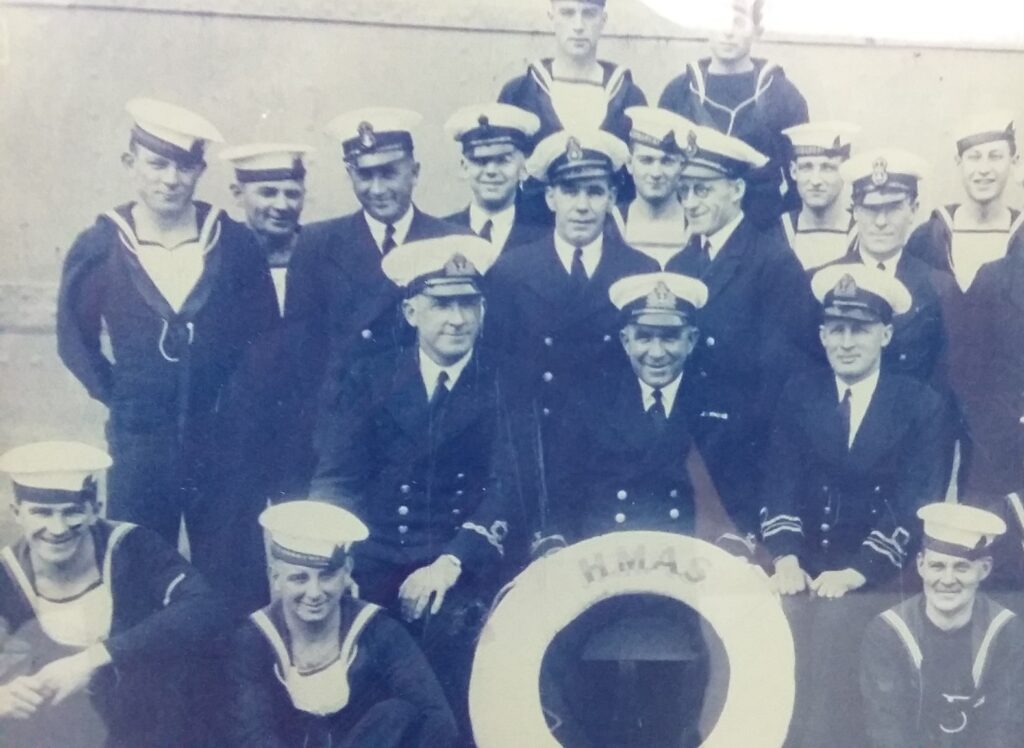
RSL Victoria remembers the sacrifice of Ordinary Seaman Frank Hack who gave his life in service of his country during the Second World War
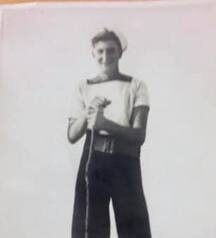
Frank Hack was born on 1 October 1923 in Coburg, Victoria, to Rupert Vernon Hack and Rhoda Magdalen Gibbons.
During the First World War Frank’s father served in the Naval Guard, part of the guard protecting the Melbourne docks. While his father took to manual labour when Frank was born, working variously as a gardener and labour, it was perhaps stories of his time on the docks that developed his son Frank’s dreams of a life at sea.
As he grew up the family moved around the inner city of Melbourne. No matter where they lived Frank took to riding his bike down to the docks after school to look at the ships and talk to the sailors on the waterfront.
He joined the sea cadets and enlisted in the Royal Australian Naval Reserve on 23 October 1939 only weeks after the Second World War broke out.
He entered Cerberus in January 1940 before transferring to HMAS Lonsdale to complete his training in August. In February 1940 his father also enlisted to the Royal Australian Navy Auxiliary Services and was serving with the 7 Auxiliary Horse Transport Company in Port Melbourne.
The HMAS Goorongai was a former fishing vessel which had been requisitioned by the RAN at the outbreak of the war and converted into a minesweeper. In early Spring 1940 British and American freighters had been sunk by German laid mines in Bass Strait and HMAS Goorangai had been sent into Bass Strait to seek out and destroy the mines. It returned to Port Phillip Bay in early November to be resupplied.
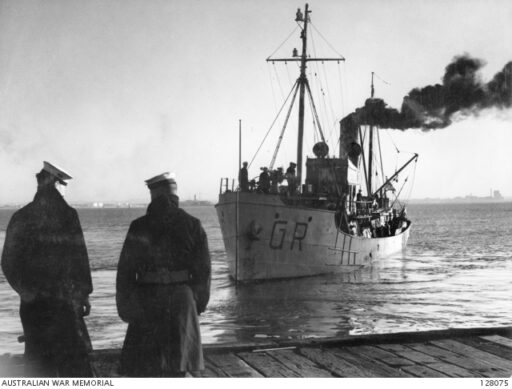
A member of the crew, Jack Kenny, became ill and needed to be replaced. On 11 November Ordinary Seaman Frank Hack, who had only recently celebrated his 17th birthday, was called up as Jack Kenny’s replacement on HMAS Goorangai.
On 20 November 1940, a storm was coming up and the ship set out to cross the heads of Port Phillip Bay from Queenscliff to the safer harbour at Portsea. The ship had minimal lighting due to the mandated war time brown out, but an enquiry would later find its lights were incorrectly positioned and difficult to see.
As HMAS Goorongai crossed the heads the troopship MV Duntroon was approaching and in the dark night its crew did not see the smaller minesweeper until a collision was inevitable. HMAS Goorangai was hit midship and torn almost in half. A crewman on MV Duntroon would later say that “In the short time it took me to run along the promenade deck to the rail by the bridge, the Goorangai had disappeared. There was not a sound but the crash of water.”
The crew of MV Duntroon could hear cries coming from the water but it was so dark they could not see them. The crew blindly threw floatation devices into the darkness, and deployed lifeboats in an attempt to rescue the crew but no survivors were found.
HMAS Goorongai sank with all 24 hands still on board. It was the Royal Australian Navy’s first ship to be lost in the Second World War.
Over the following weeks the bodies of 6 crew members were found but 19, including Frank Hack, were never recovered.
He was only seventeen years of age, and on his first day at sea, yet died within sight of shore on Port Phillip Bay.
The wreck of the minesweeper was later blown up as it posed a danger to shipping. It was only partially cleared, and the bulk of the wreckage still lies near the entrance of Port Phillip Bay. It was declared an historic shipwreck in 1995.
Rupert Hack was discharged from the Navy in February 1941, being found unsuitable for service at 53 years of age. Frank’s mother, Rhoda, died in 1942, less than 18 months after the death of her teenage son.
RSL Victoria pays tribute to Ordinary Seaman Frank Hack, his family and all those who have sacrificed in the service of their country.
Lest we forget.