In remembrance of the past, we build tomorrow
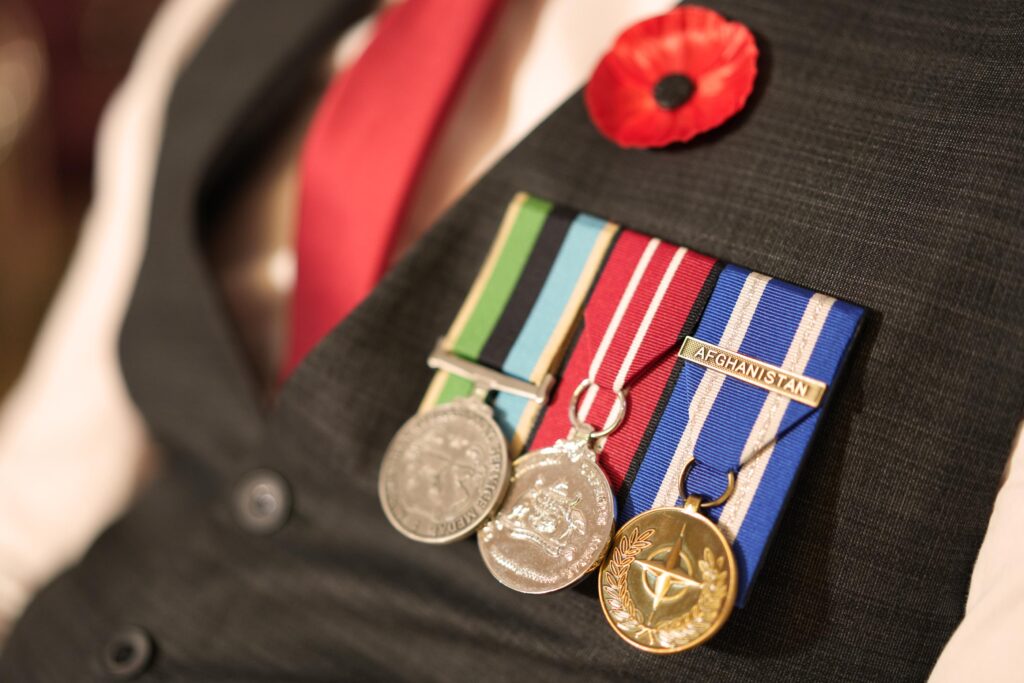
As Mitch Linke steadily moved through high school in Western Victoria, he weighed up his options for what came next.
Graduation was around the corner, and no career path lept out at him. But every night, Mitch saw news updates of the Australian Army operating in the Middle East on TV. He had considered becoming a mechanic; he also wanted to make a difference. The Australian Defence Force could be the perfect fit.
“I joined while I was still in high school,” Mitch explains, “and my enlistment date was not long after I graduated. Then it was a five year journey from start to finish.”
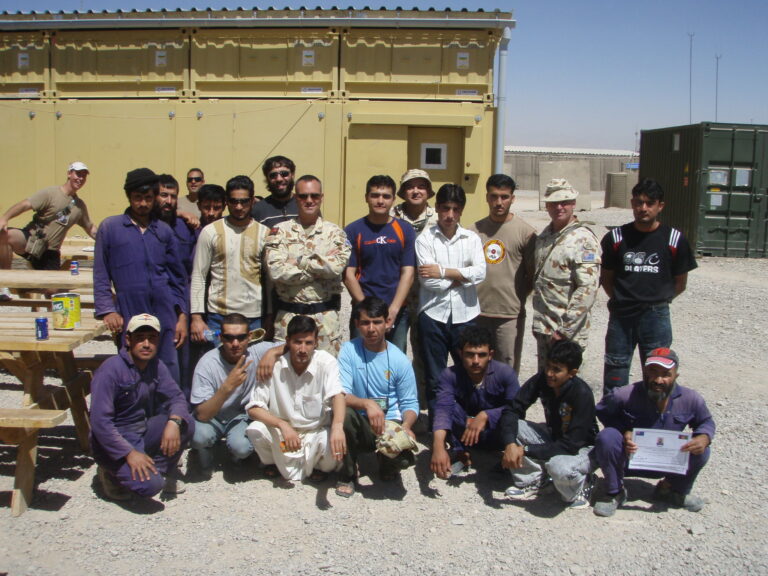
Mitch was deployed to Kabul, Afganistan in 2017 as a driver specialist to support 7 RAR. “As a specialist, I drove Unimogs and Macks, Landrovers, Bushmasters… if it had four wheels and a steering wheel, I drove it.”
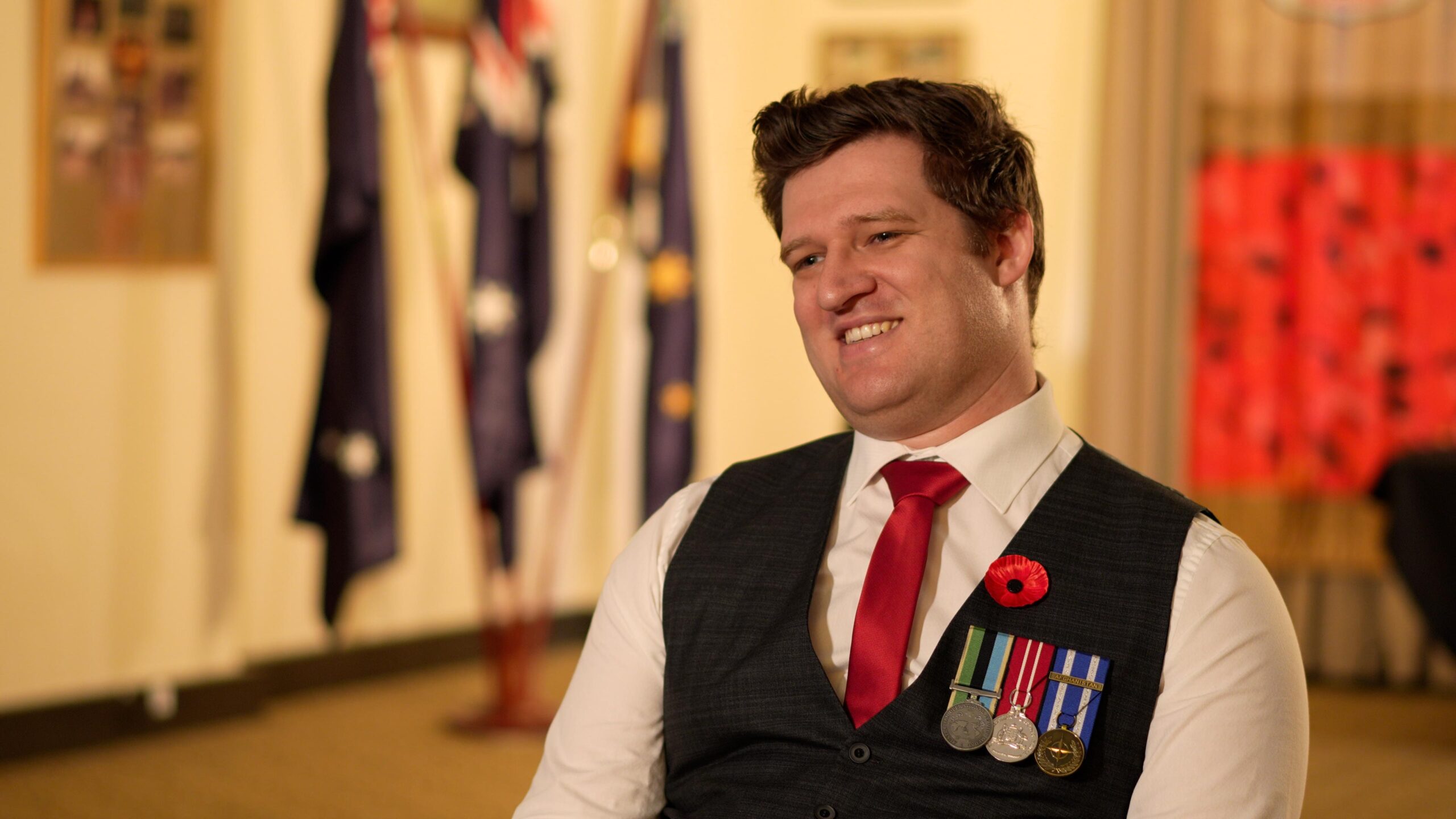
Marcus McEwen also chose to join the ADF as a teenager. “I grew up in a farming community,” he recalls, “and I knew that if I didn’t go and get a decent job, Mum and Dad were going to say, ‘you are staying on the farm, son!'”
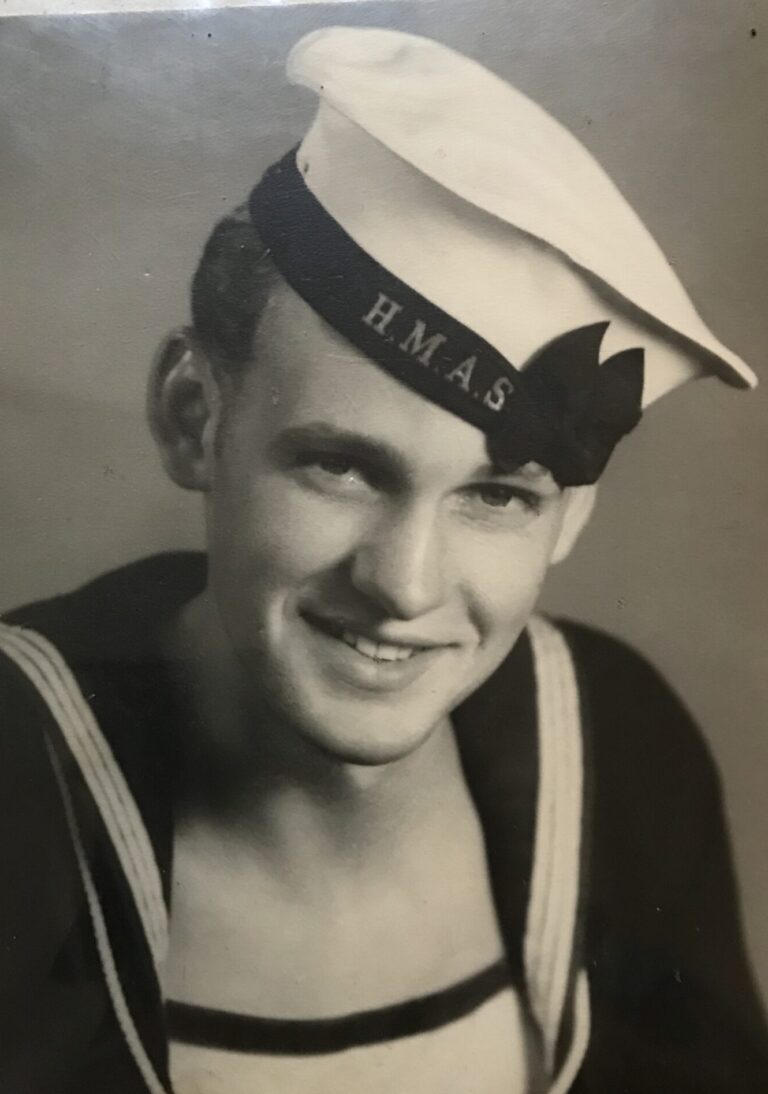
Marcus joined the Royal Australian Navy at 17 years of age, straight out of year 11, and served until 2007. He spent time patrolling Australia’s border, and took part in peacekeeping missions in Papua New Guinea. Now he’s the proud President of the Lara RSL Sub-Branch, helping mobilise his community to support veterans and their families – and provide a safe space for current and past servicepeople.
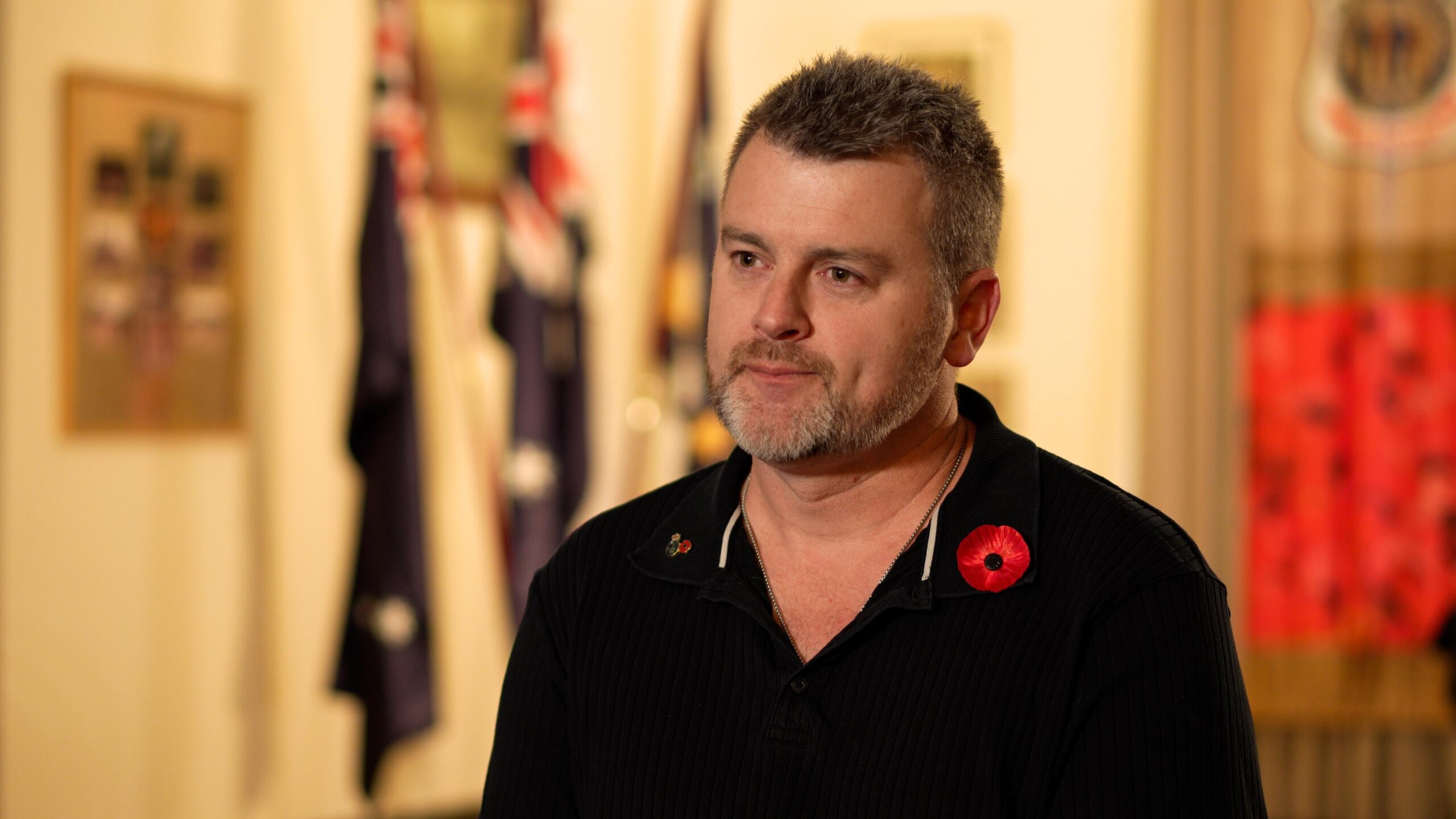
When Mitch and Marcus reflect on their service, there are two main themes that they focus on.
First of all, they are proud to have served their country.
Secondly, they are passionate about how they can help address the needs of Australia’s ex-service community.
These needs are varied and complex.
“Everyone’s path is different when they leave the army,” Mitch explains, “and it can depend on how long you’ve served to how well you reintegrate when you leave.”
“The bond that you build with those you serve with never leaves you,” Marcus agrees. “I got out in 2007 and I’m still in contact with so many people that I served with. It’s like a family. And that’s part of the struggle when you leave the services, because you are losing that family that you’ve grown so close to.”
Modern veterans, modern problems – and new solutions
One of the largest challenges veterans face is navigating the system to access support.
“There is a very, very deep bureaucracy to navigate,” Mitch explains. And it is harder for veterans who require more complex care.
“When your mind isn’t as sound as it was after some pretty horrendous stuff you may have dealt with, it can be very, very challenging to navigate the pathways of the Department of Veteran Affairs.”
“I’ve been very fortunate that I haven’t had to dive too deep into that kind of stuff, but I know from the experiences of family members who served in Vietnam and recent conflicts that the level of complexity can turn a lot of veterans away from it, so they get left out or forgotten.”
In his role at the Lara RSL Sub-Branch, Marcus is part of a committee that actively contributes to solving veteran problems.
Some of the issues are literal: a veteran cannot pay a bill, or their power has been cut off, or their gas heater is broken in the middle of winter – and they could use some firewood.
Other problems are harder to solve. Many veterans do not have resumes, and have no experience in job interviews.
“They also need to find an employer that understands their set of circumstances,” Marcus explains. “Some days we’ll have good days, other days we’ll have bad days. And to find an employer that’s understanding of that is incredibly difficult.”
Homelessness is also a recurring theme, particularly for veterans who joined the service at a young age and do not have a rental history. As is social isolation: friendship circles may diminish quickly if veterans drop out of contact with the people they served with.
And above all, there is pride.
“A lot of veterans – younger veterans in particular – don’t want to reach out and ask for help,” says Marcus.
“There’s a whole sense of pride, and a sense that you’ve failed if you are out [of the service] and you can’t support your family. We see that through the Lara Sub-Branch, and we make sure that people feel comfortable to come to us and talk to us about any issues that they may be facing, whether they’re big or little.”
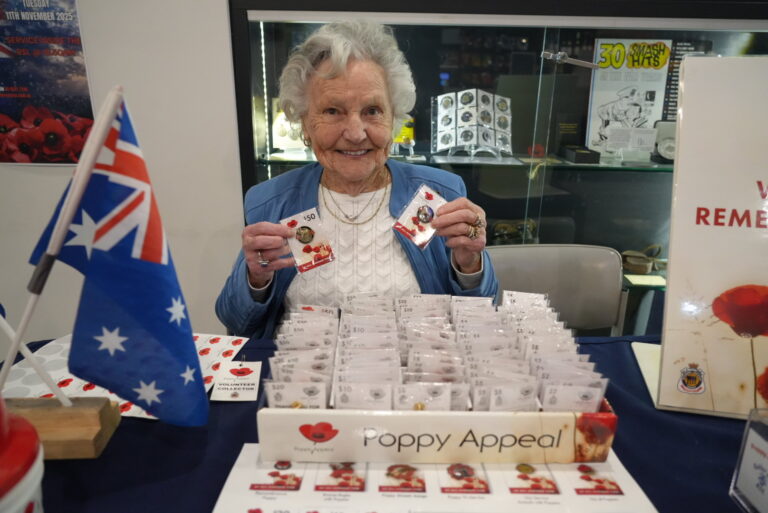
“And that’s where all the funds from the Poppy Appeal goes to: so that we can provide direct financial support to those people in need.”
🎙️ Below: listen to Marcus McEwen discuss the problems facing modern veterans.
Honouring the past to support the veterans of tomorrow
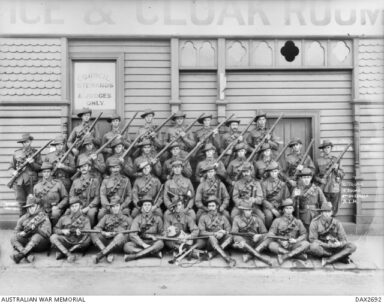
Mitch’s family, like many, has a long legacy of service.
“I had two ancestors who served in the British Expeditionary Forces during the First World War. One was killed and the other was wounded. I’ve had relatives serve in the Air Force during the Second World War and in the Navy during the Korean War. I’ve had extended family who served in Vietnam, East Timor, Afganistan, and Iraq. I think about them each year when I buy a poppy.”
“I’ve had family members in the past who’ve made the ultimate sacrifice, but in doing that, they left behind wives, sons and daughters, friends…”
“There’s a strong sense of sacrifice when you put on a poppy.”
For veterans like Mitch and Marcus, the red poppy represents much more than remembrance. It symbolises resilience, mateship, and the shared promise that no veteran or their family will ever face hardship alone.
It’s this unwavering support — made possible through donations to the Poppy Appeal — that changes lives every day.
Both veterans are passionate about ensuring future generations understand that the Poppy Appeal is not a campaign of the past, but a lifeline for today’s veterans and their families. Funds raised provide housing support, counselling, wellbeing services, financial relief, and advocacy — all designed to help veterans rebuild and thrive after service.
As Remembrance Day approaches, Mitch and Marcus are urging Victorians to wear their poppies with pride: not just as a symbol of gratitude, but as an act of solidarity with those who’ve served.
Mitch has a single, clear message:
“I know Remembrance Day doesn’t fall on a public holiday, but if you can get any time – even if it’s just five minutes out of your day at 11 o’clock – just to pause for a minute, pull the truck up for a minute, and just observe a minute of silence… It all matters. And if you can, buy a poppy. Every little bit makes a difference for our veterans.”
Together We Remember.