Simon “Simie” Frankel – First World War
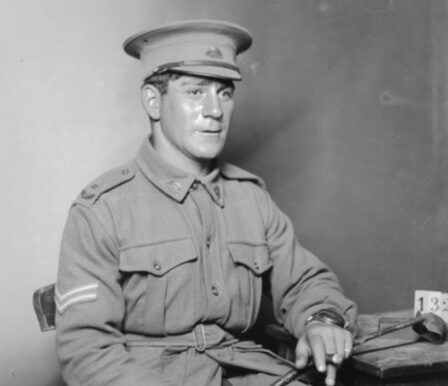
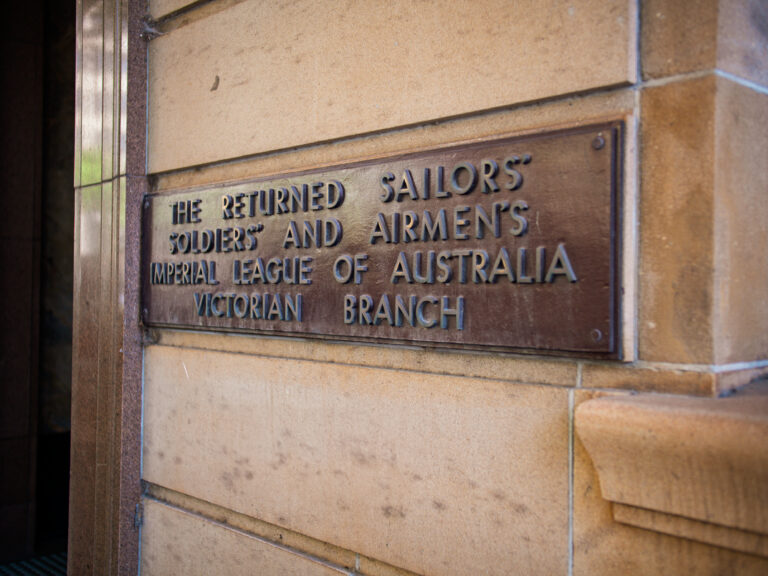
RSL Victoria remembers the sacrifice of Corporal Simon “Simie” Frankel who gave his life in service of his country during the First World War.
Simie was born in North Melbourne on 1 July 1892 one of the nine children born to Eskel and Rachael Frankel. His father was a Jewish immigrant who had migrated from Kiev in modern day Ukraine. His mother was 16 years old when they married and had their first children in the 1870’s.
His parents moved to New Zealand and Sydney briefly in the early 1880’s before settling in Rachael’s hometown of Carlton and setting up a fruit stall Queen Victoria market. Eskel became a naturalised citizen in 1897, and the children began to assist in the family business as they grew up.
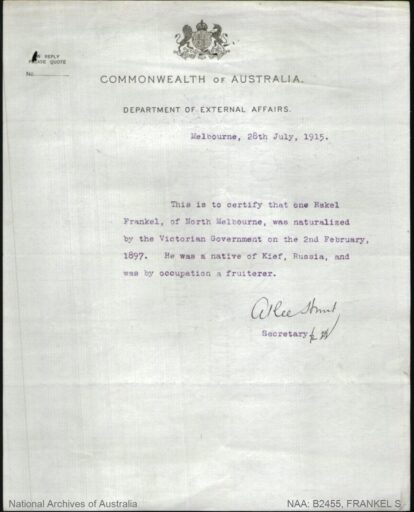
Simie had a long interest in the military, having been involved with cadets at high school in Melbourne for five years, and became an importer on leaving school. His father passed away shortly after the outbreak of the First World War, aged 59, leaving behind his wife and nine adult children to run the family fruit stall.
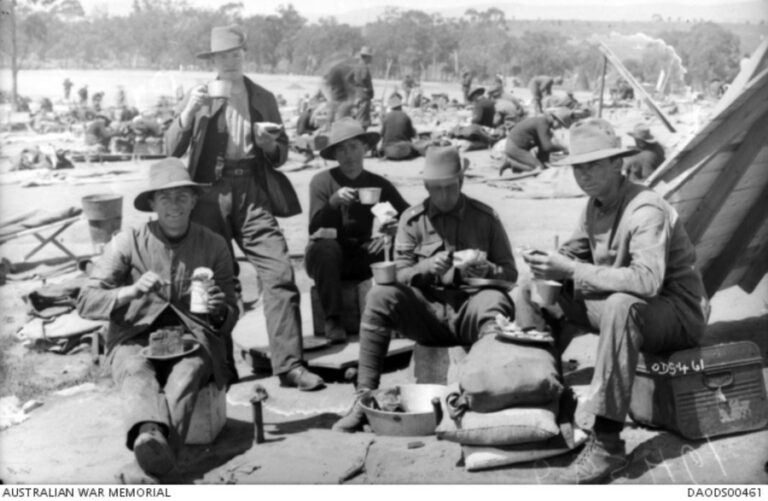
Simie waited for his brother’s wedding in June before enlisting in the Australian Imperial Force in July 1915. He undertook training in Australia before embarking for service overseas in Egypt in February 1916, arriving in Giza on 22 March 1916.
He undertook further training in Egypt and then in England before he was finally attached to the 24th Battalion. He arrived in France on New Years Day 1917 and joined his Battalion twelve days later.
The Battalion had been involved in the Battles of Pozieres and Mouquet Farm in the second half of 1916 which had greatly depleted their strength. As the frozen winter of 1916-1917 passed Simie arrived as part of the reinforcements stuck in the ever-increasing mud of the front lines, with no real prospect of moving forward until the warmer weather arrived.
As the German Army fell back to their defensive position on the Hindenburg Line Australian and British troops had attempted to attack them near the village of Bullecourt but the attack failed. The defeat was largely due to poor planning and poorly utilised tanks which had either failed to appear or broken down during the battle.
Simie was with the 24th Battalion in early May when the Australian and British forces tried again in the Second Battle of Bullecourt.
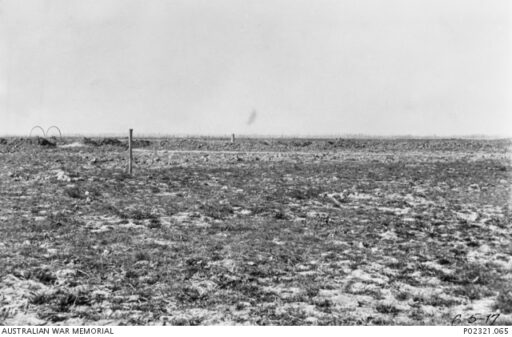
On this occasion the Australians managed to take make the first dent in the Hindenburg line, taking and holding a row of trenches. But the cost in terms of casualties was enormous, with around 7500 men killed or wounded from three divisions.
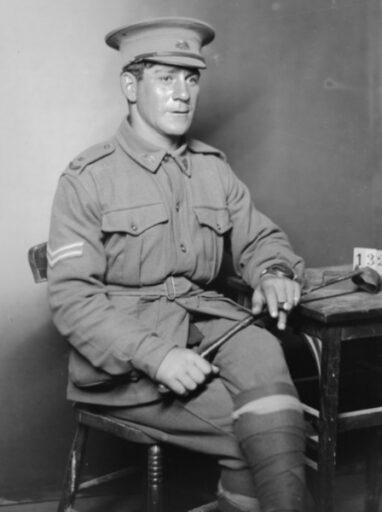
Simie survived the battle and was promoted to the rank of Corporal.
By April 1917 Simie and the 24th Battalion had left France to join the fighting in Belgium in what became known as the Third Battle of Ypres. After a run of successful actions employing creeping artillery barrages, which protected the infantry’s advance, heavy rain began to full, turning shell craters into lakes and making forward movement difficult.
The British and Australian forces still intended to advance to the town of Passchendaele and needed to take a ridge line from which German forces could observe their movements. In fierce fighting the Australian and German soldiers attacked each other simultaneously, by chance having planned offensive operations at the same time. The majority of the Germans turned back into the creeping barrage as they faced the oncoming Australians.
The Australian soldiers captured the ridge and were amazed how much the Germans had been able to see of the Australian’s lines, describing it as being like a map laid out on a table before them.
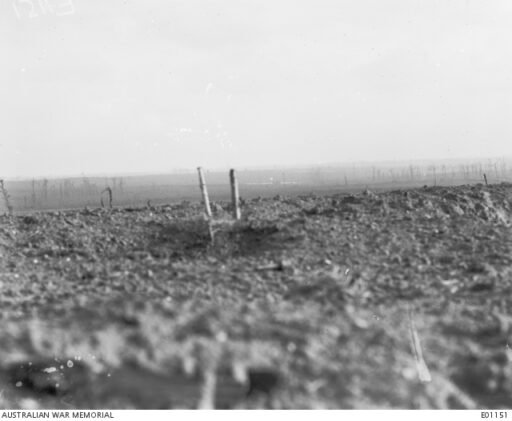
Once more the casualty rate was enormous for only a small territorial gain, and this time Corporal Simie Frankel was amongst the injured, with a gunshot wound to the left leg.
He recuperated in hospital until early November and was given leave in England until 21 January 1918, at which time he rejoined his mates in the 24th Battalion in Belgium.
In March 1918 the German forces were desperate to try and achieve a breakthrough and bring about a quick end to the war as they enjoyed a brief numerical advantage following the end of the war against Russia in the east and prior to the arrival of the vast bulk of the American forces in the west.
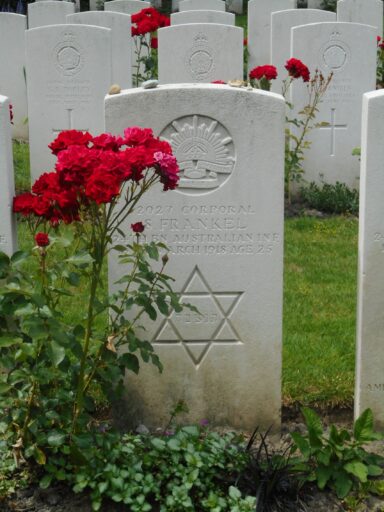
Just prior to the German advance Simie Frankel, the son of Jewish fruit sellers at Queen Victoria market, was killed in action on the front lines as he manned the defensive positions of the 24th Battalion.
He was initially buried at Chateau Rosenburg Military Cemetery.
After the war the Chateau was reclaimed by its owners who began pressing for the cemetery to be removed from their land. The War Graves Commission and Belgian government attempted to persuade the families to allow the cemetery to remain, but the family would not agree.
After some years of negotiation, the decision was made to establish a cemetery nearby, the Royal Berks Military Cemetery near the border of Belgium and France. Simie was exhumed and reinterred in the new cemetery where he lies to this day.