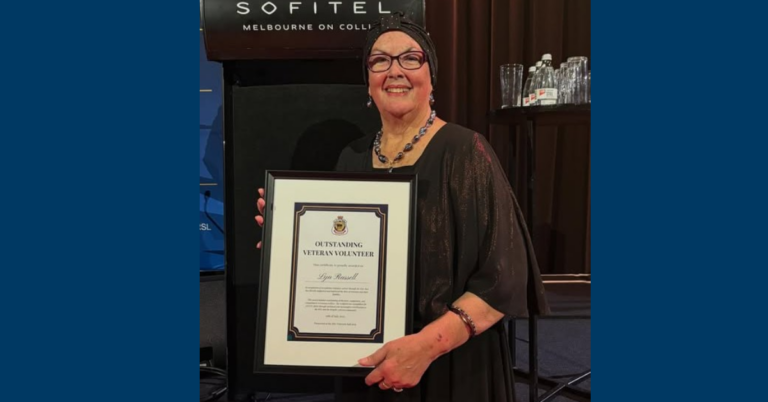
They all came back changed: a nurse’s reflection on conflict, loss, and hope
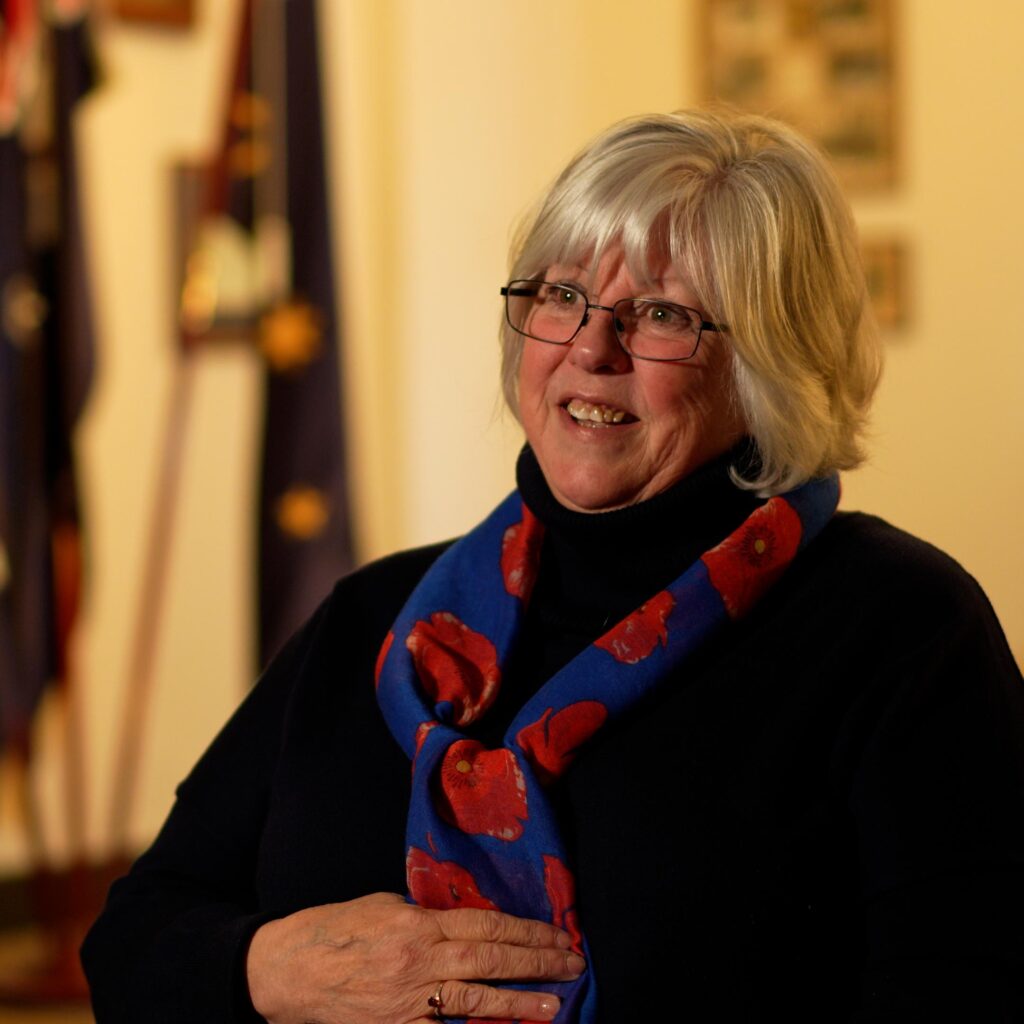
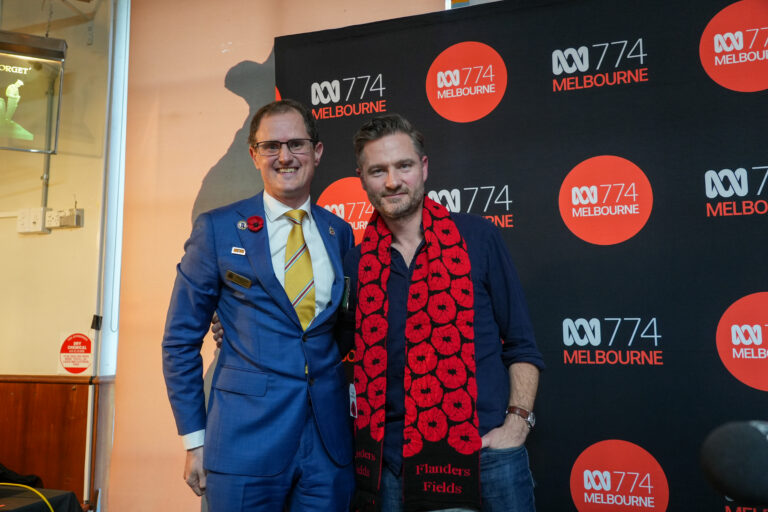
When Judith Varrenti arrives for our interview, the first thing she mentions is her scarf.
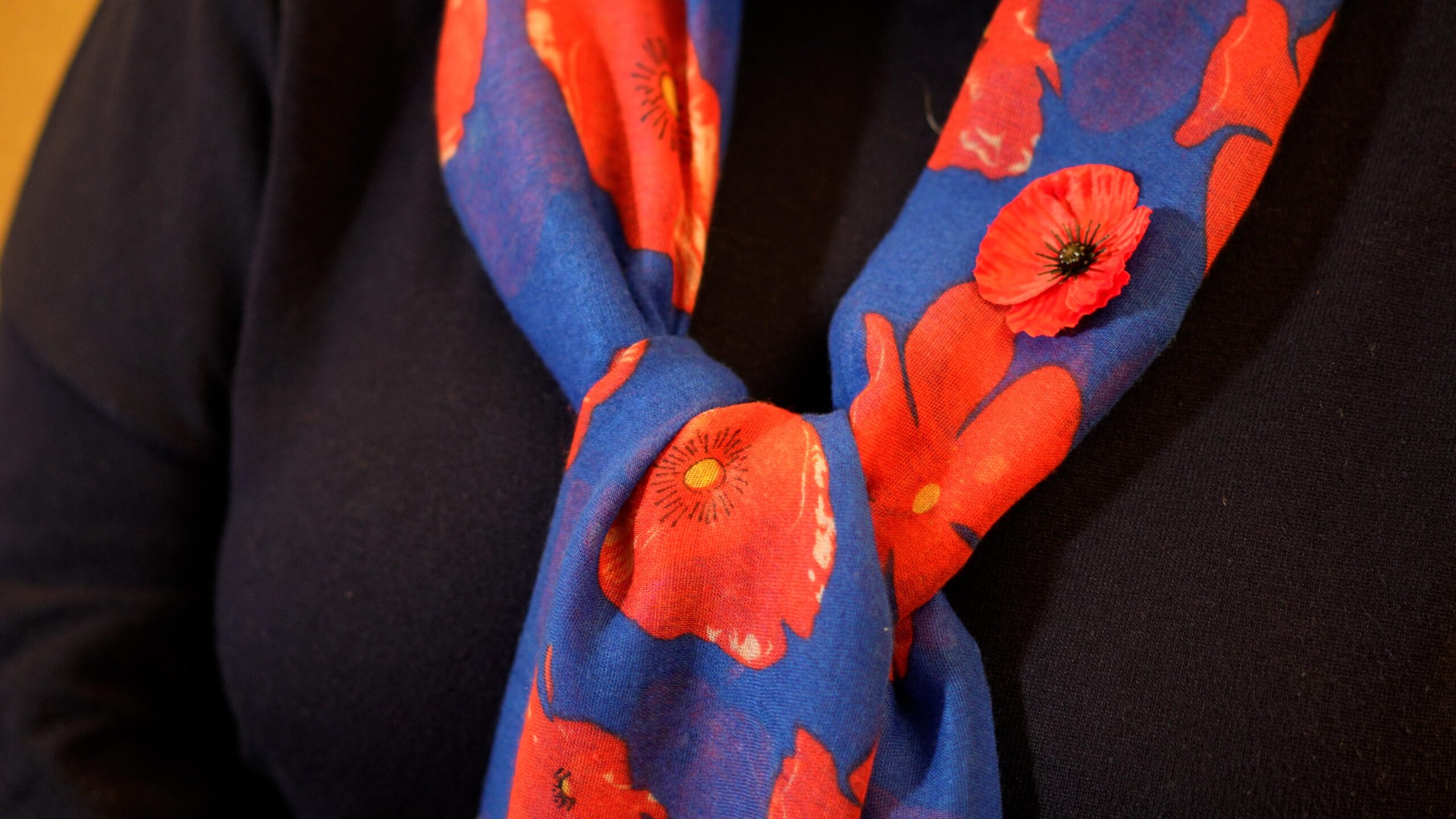
It is colourful, vibrant, and covered in poppies.
“This was my Mum’s scarf,” Judy explains. “She used to wear this every Remembrance and ANZAC Day, and every time she went to the RSL. She has since passed, and so I’ve inherited it.”
For Judy, history is important. When I ask her what she thinks about when she sees a poppy, she takes me on a journey around the world – from Egypt to New Guinea, to Anzac Cove and the the Heidelberg Repatriation Hospital – a personal tribute to the veterans she has cared for, and to her own family’s long history of service.
The boy, his eye, and our nation
As a young nurse, Judith was assigned to the Heidelberg Repatriation Hospital. It was an influential period of her life. A lover of history, she spent time with a number of patients who were returned servicemen, including veterans who had returned from Gallipoli, Changi, and the Burma Railway. They were generous with their time, and would regale Judy with stories from their time in the defence forces.
Judy was moved by their collective sacrifice.
“They all came back changed, different, and they’ve given so much of themselves for our protection,” she recalls. “It’s something that we cannot repay except by giving them the respect that they are due.”
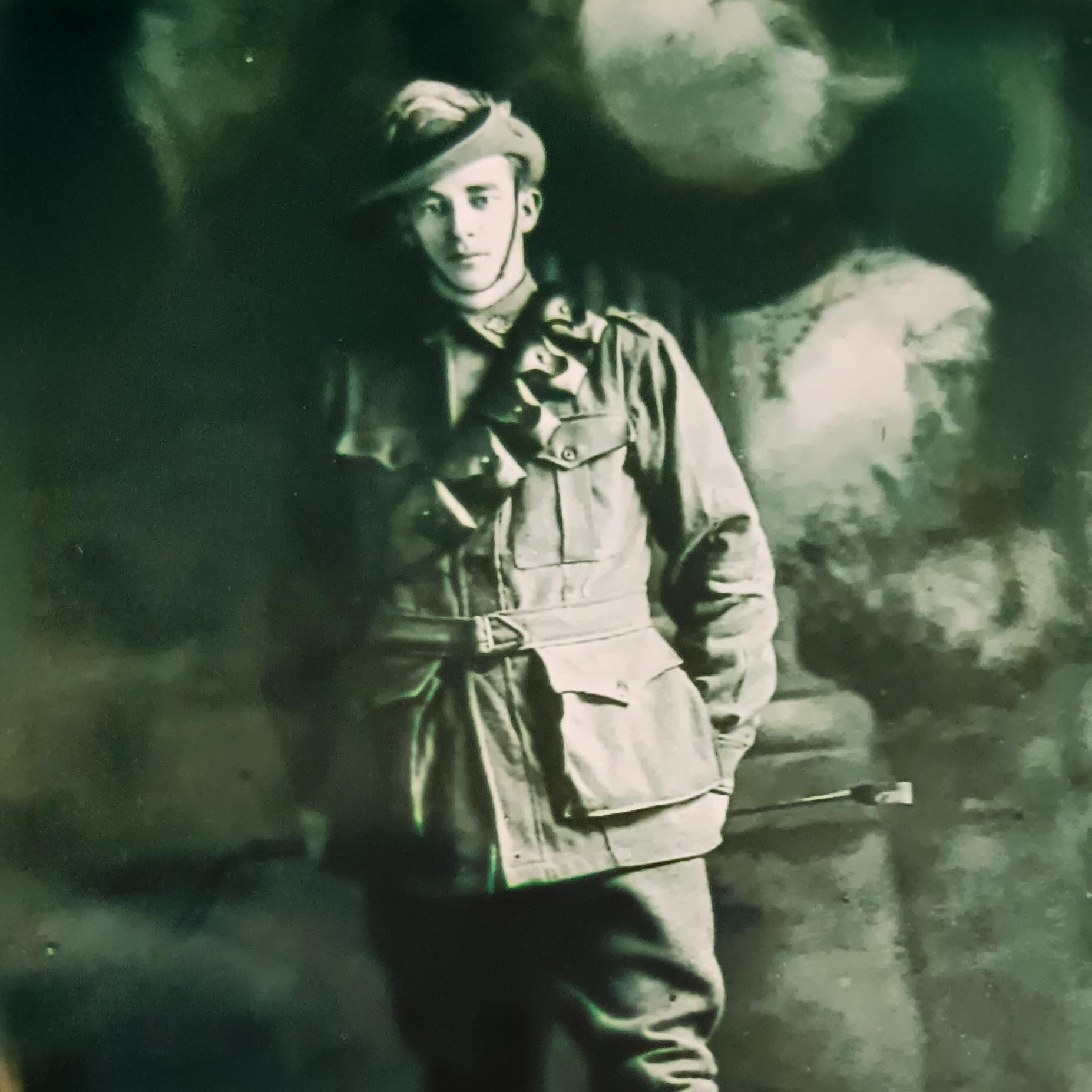
In the early 1990s, Judith nursed a man who had fought at Gallipoli. He was in his nineties, and had been diagnosed with cancer. But what stayed with her most was his story: at just 16 years old, he had lied about his age to enlist, seeking what he thought would be a “Boy’s Own Adventure”.
He lost an eye at Gallipoli and, for the rest of his life, struggled with the reminder of his decision.
“He really hated his false eye,” Judith recalled. “He wouldn’t look after it, he wouldn’t clean it. He wouldn’t do anything. It was often crooked. That did not exist as far as he was concerned.”
“And I tried to tell him how proud I was to have nursed him, to have been able to sit and talk to him… ‘You helped introduce mateship to the world.’ I would tell him, ‘Australian mateship came out of Gallipoli.’ That’s how the world saw us for the first time.”
“That just makes Australia so unique, in that a 16-year-old boy who was raised on a farm, ran off on an all-boys adventure and helped make Australia great. And his sacrifice made us safer, stronger, and unique to the world.”
“That’s the first person I think of.”
From foreign fields to familiar shores
Service is important to Judith. It is deeply intertwined with her family’s legacy.
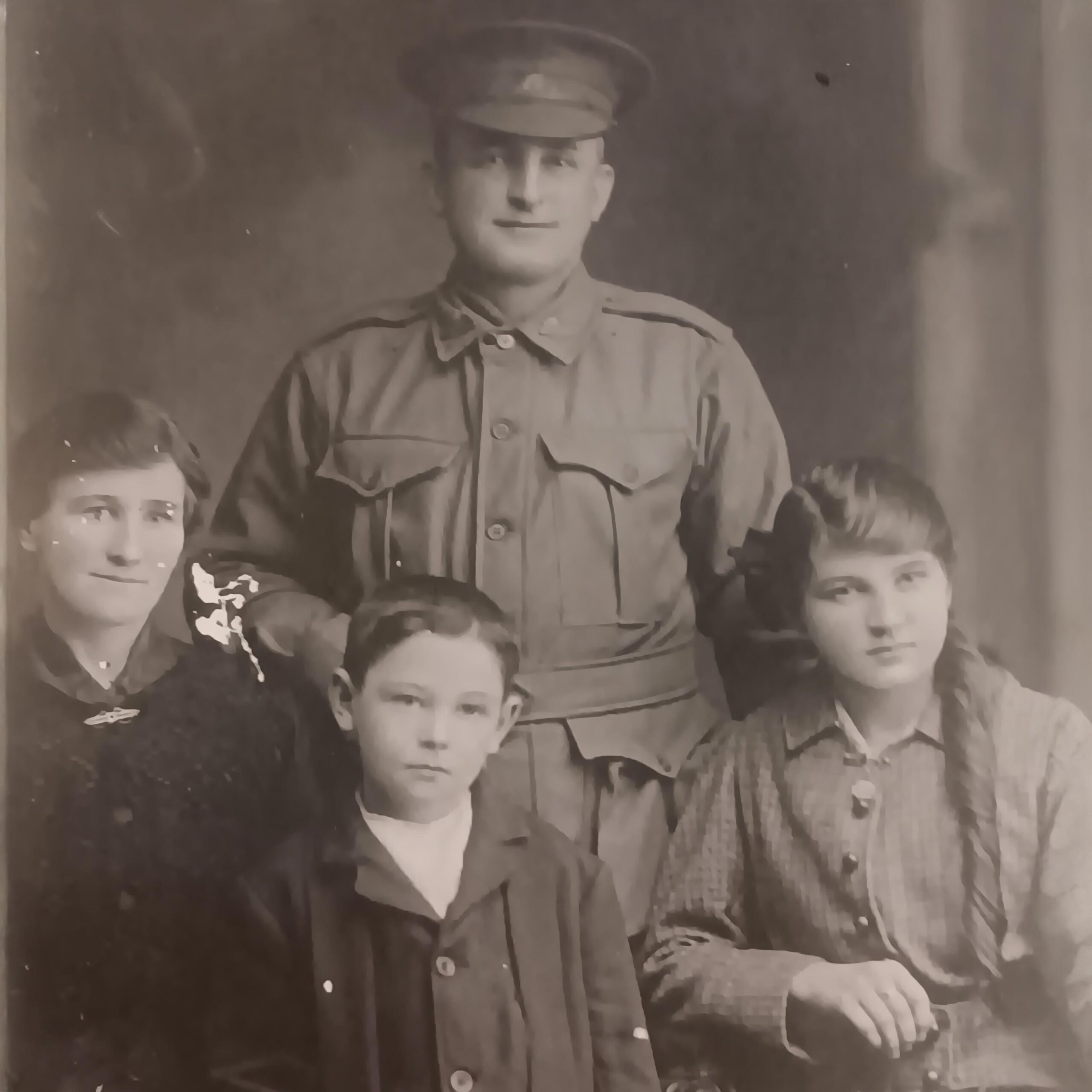
Her great-great-grandfather joined the defence forces at 43 years and 11 months old, four weeks before turning 44 and being excluded from enlisting, and served as an ambulance driver in Egypt during the First World War.
Her grandfather rode with the Light Horse. Her father served with the Royal Australian Air Force in New Guinea during the Second World War. And her nephew joined peacekeeping operations in East Timor.
Though her family, Judith has seen the impact of service – and understands why our veteran community needs support.
When her father returned from New Guinea, he was tarnished by the War. He spent time at the repatriation hospital, struggling with what we now know as post-traumatic stress disorder (PTSD).
Judith remembers the way the RSL supported her family.
“Without the RSL, our family would have fallen apart,” she said. “They did so much for him. They helped clean the house for Mum, supported us as war widows, and made sure we were never alone.”
And now, the repatriation hospital is the custodian of her father’s ashes.
“My father’s ashes are there, alongside many other servicepeople. And he was so proud that they said that they would be honoured to have him buried there.”

Absolute heartache – and a welcoming hug
For Judith, every poppy worn is a gesture of gratitude. All of her experiences have built to this understanding – from her family’s service, to her career as a nurse, and to her visit to Anzac Cove on ANZAC Day 2005.
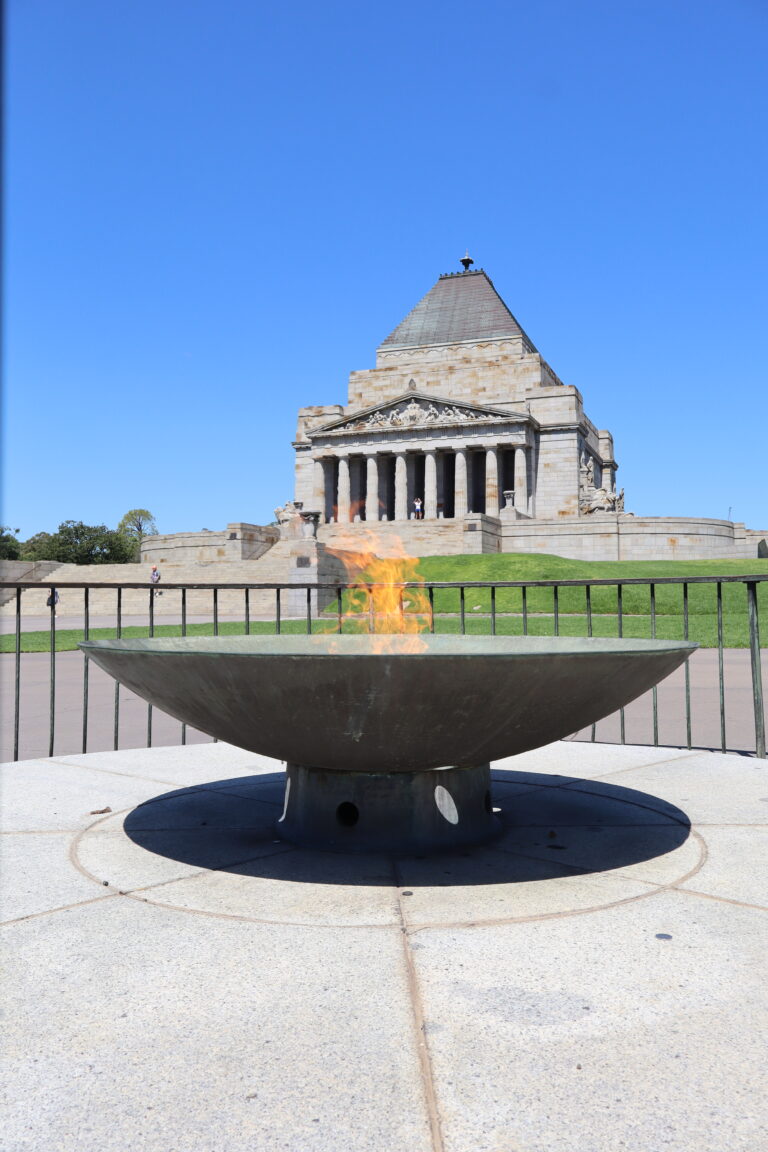
“It was just absolutely awe-inspiring to walk on the beach that they came up on, to visit their graves, to go to Lone Pine, to actually sit in the trenches.”
“The minute you walk into the Cove, you feel the pain, you feel the loss, you feel absolute heartache, but at the same time you can feel a hug. It’s like, all those people that died there are giving you a hug and saying, ‘Welcome.’ It’s like a small piece of our country.”
This understanding of service and sacrifice has led Judith and her husband Peter to become heavily involved with their local RSL Sub-Branch in Watsonia. They have seen the impact of the RSL first-hand.
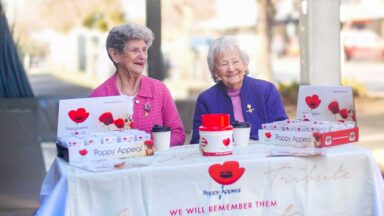
For Judith, supporting the Poppy Appeal is the easiest way to honour the sacrifice of all who have served – and all of those who continue to do so.
Together We Remember.
The person behind my poppy
When I wear a poppy, I think of all the First World War soldiers I nursed at Heidelberg Repatriation Hospital. One in particular was a man aged 94, diagnosed with cancer. He told me he had joined up at 16, pretending to be older, because he thought war would be an adventure. He lost an eye at Gallipoli and hated his false eye for the rest of his life.
In 2005, I went to Gallipoli for ANZAC Day and felt the deep, lingering pain that remains in Anzac Cove. My family has served across multiple generations, and I understand the lasting effects. As a nurse, daughter, granddaughter, and aunt of returned servicemen, I say thank you for the chance to live in a safe, free country.
Judith Varrenti