The Long Voyage – the remarkable life and service of Long Nguyen
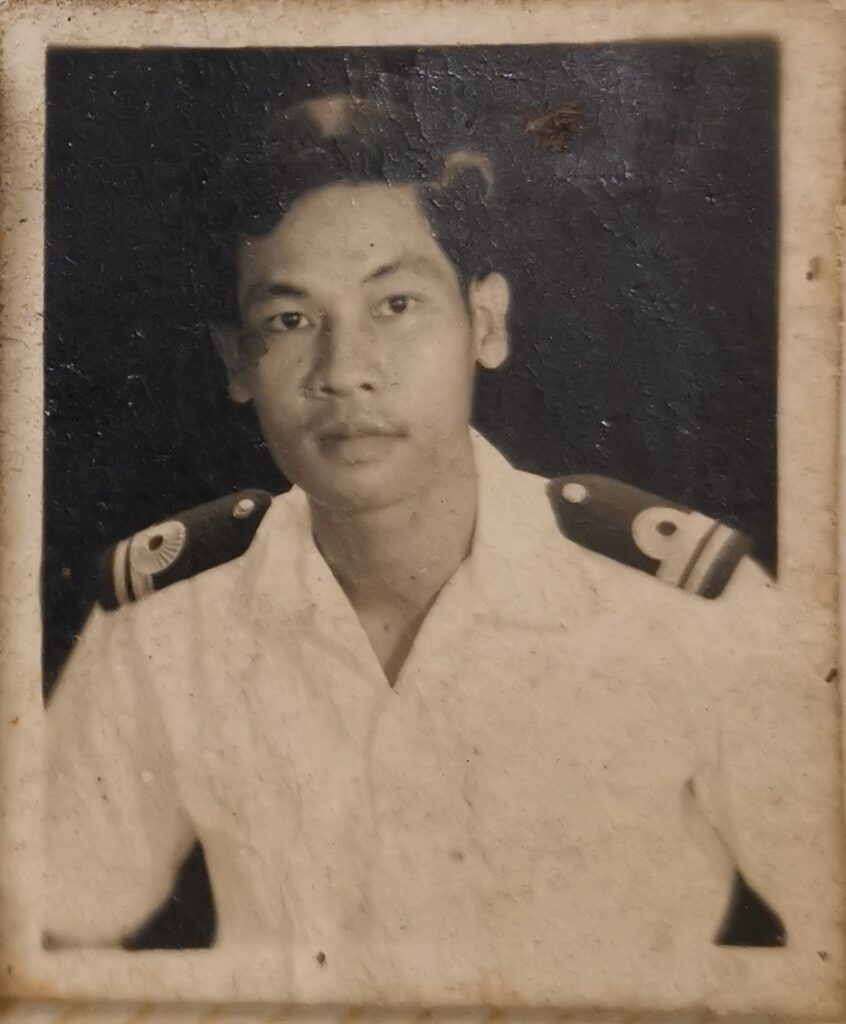
In 1968 Long Nguyen was a university student studying science in Saigon when North Vietnamese elements began the so-called Tet offensive, a co-ordinated attempt to overthrow the South Vietnamese government during a ceasefire for the Lunar New Year.
The South Vietnamese government’s response was to order a mass mobilisation of the South Vietnamese population. Long elected to join the Navy.
“I wanted to learn about naval construction, I thought that after the war I could build ships, because our country had 2000 kilometres of coastline. So, we need more ships.”
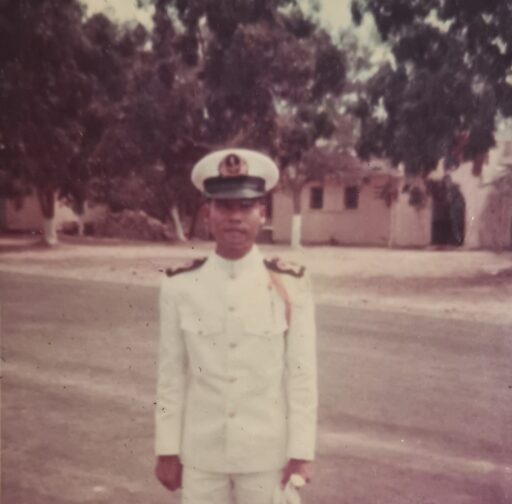
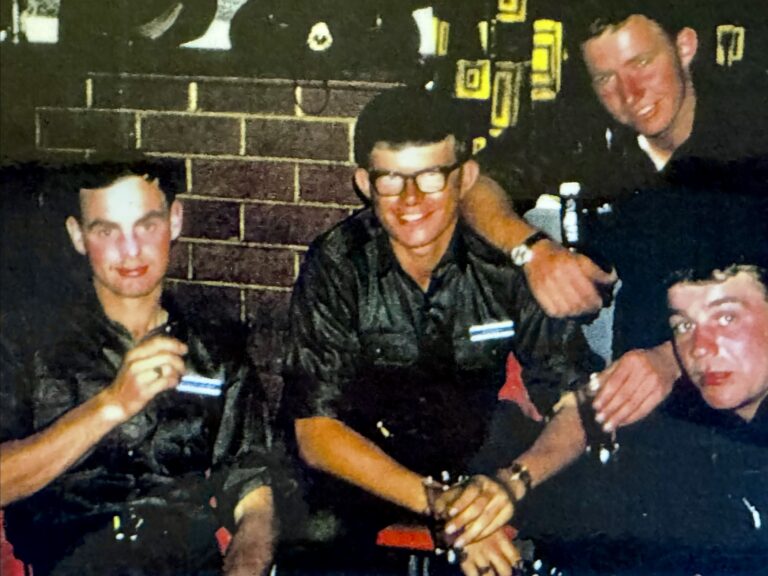
He joined the Naval Academy where he trained to be an officer in the South Vietnamese Navy. He graduated in February 1970 and was deployed to Wei.
“During the war I served with three units as the mechanic officer,” Long said. “First I served in the logistic bay in Wei where I met my wife.”
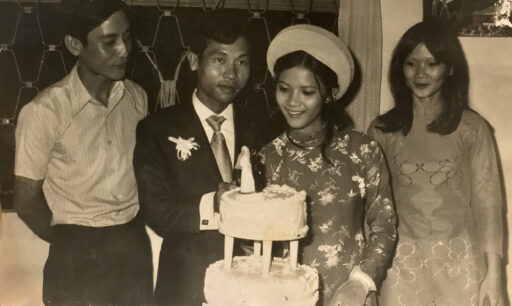
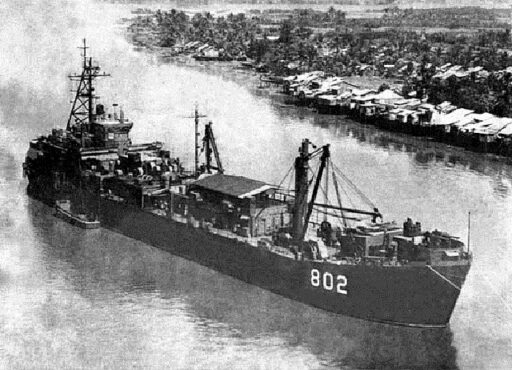
As the war progressed, and the South Vietnamese defence forces took on a more prominent role under Richard Nixon’s “Vietnamisation” policy, Long transferred to a river assault group and finally a transport ship.
He married his wife in 1974, but the tide of the war continued to turn in favour of the North Vietnamese.
Long’s younger brother was called up to the South Vietnamese Army and in the weeks leading up to the fall of Saigon his unit fell back to Wei. In late March the North Vietnamese reached the town.
“My brother was shot just before the end of the war, on 23rd of March 1975. He was wounded and bled to death. My father had to go to Wei to pick up my brother’s body and bury him,” Long remembered.
Long was on board a transport ship evacuating South Vietnamese civilians to Vung Tau as the North closed in on the capital in late April 1975. He was given permission to leave ship to return to his parents’ house to help them evacuate the country, but when he finally managed to get home, they refused to leave.
“I could not get back to the ship,” Long said. “The roads to Vung Tau were blocked off.”
Long was also cut off from his wife, who was still in Wei, so he chose to stay back and be reunited with her.
“After the war I hoped that I would be able to use my skills to help build up the nation,” Long said. “But I was disappointed.”
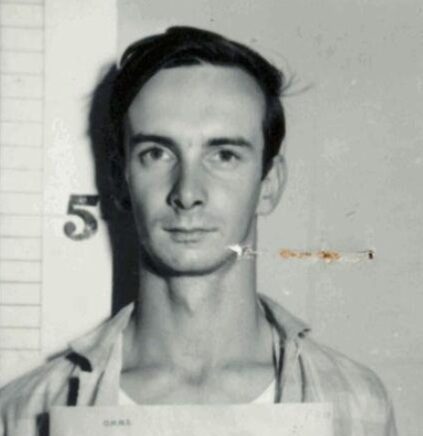
Soldiers from the new communist government arrived at Long’s house and placed him under arrest as a former officer of the South Vietnamese Navy. He was taken into the jungle and placed in a concentration camp.
“They arrested all of the officers of the South,” Long said. “They were worried we would lead an uprising.”
Long remained in prison for four years, cut off from his wife and parents. When he was finally released in 1979, he knew he did not have a future in Vietnam as a former officer of the South Vietnamese Navy.
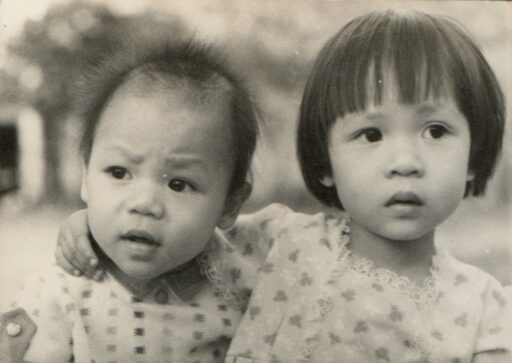
He and his wife had two children as they tried to rebuild their lives and look for a way out of the country. Finally at the end of 1982 Long’s other brother managed to arrange a boat to take them out of the country with other refugees. As Long had experience in the Navy his role was to navigate the ship out of Vietnam to Indonesia.
“On the night we were to escape I made it to the boat, but my wife and children were arrested by government soldiers and put in a concentration camp,” Long said. “There were many other people on the boat who depended on me to navigate. I had no choice I had to leave my family behind.”
Long managed to navigate the boat out of Vietnam and he and the other refugees were sent to Galang Refugee camp in January 1983. Meanwhile his family were released from the concentration camp as the authorities were not able to deal with his young children.
“My mother and my sister and I were in the prison for a few weeks,” Long’s son Quan Nguyen said. “I was only about one year old and because I was hungry, I was crying all the time. The authorities decided it was easier to let us go.”
As soon as Long arrived in the concentration camp he began asking about countries that would be able to quickly allow him to settle and bring his family.
“That is when I discovered Australia,” Long said.
Within a few months Long was granted a visa to come to Australia. He arrived in Melbourne in 1983 and found work at the Holden factory in Port Melbourne where he saved the money needed to sponsor his wife and children to join him in Australia.
After two years he was finally reunited with his family when they landed in Melbourne in 1985. Long continued to work at the Holden factory in Port Melbourne for more than two decades as he created the kind of life for his children that he had wanted for himself in Vietnam.
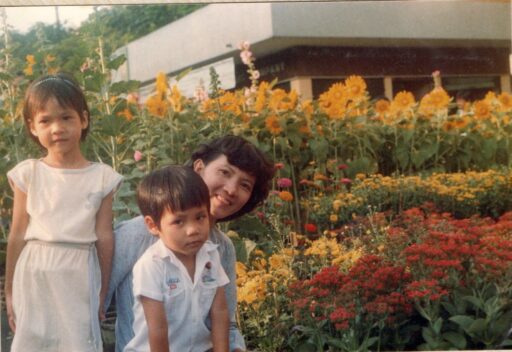
“My father cared a lot about our education,” Quan said. “He worked very hard in the factory during the day and at night he would tutor us while he worked in a small workshop we had in our garage making textiles. He researched the best schools and helped me get into Melbourne High School.”
All of Long’s children attended university, with Quan’s brother and sister becoming pharmacists. Quan now works in lending at the Commonwealth Bank.
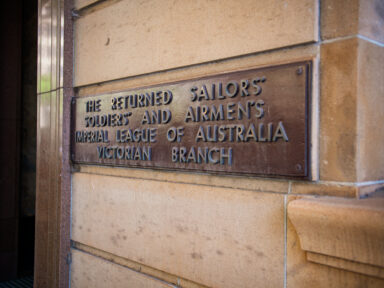
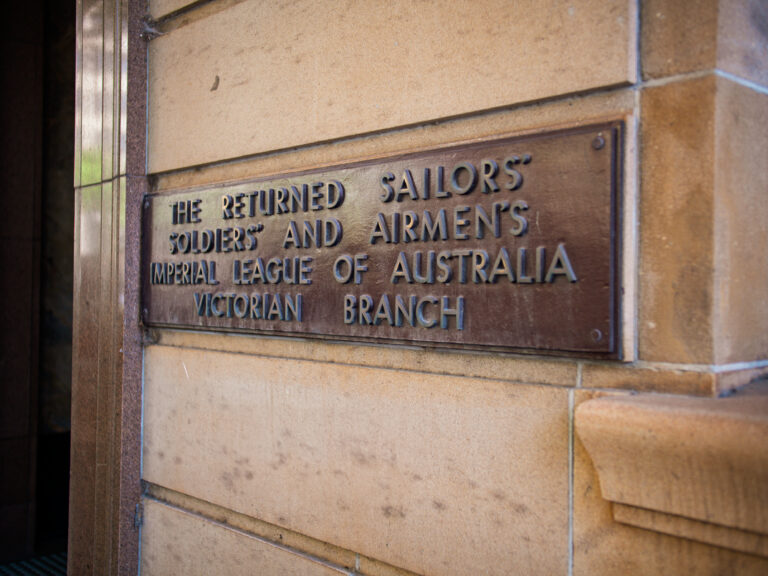
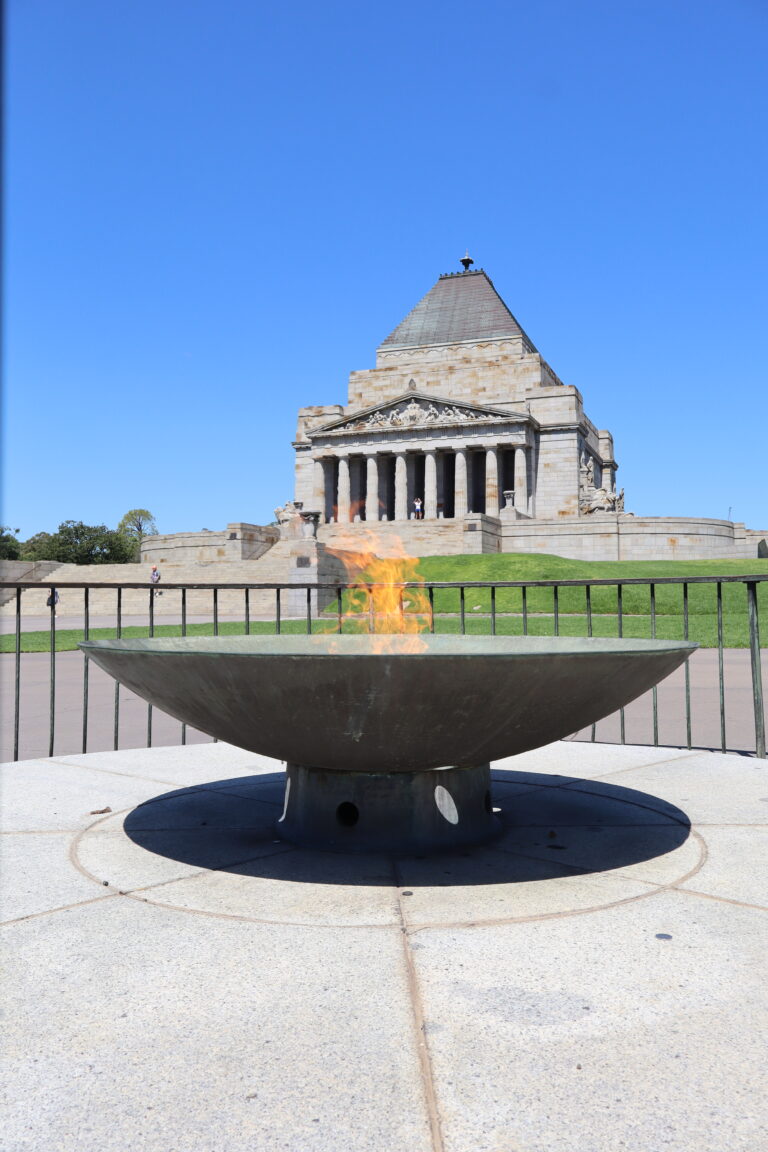
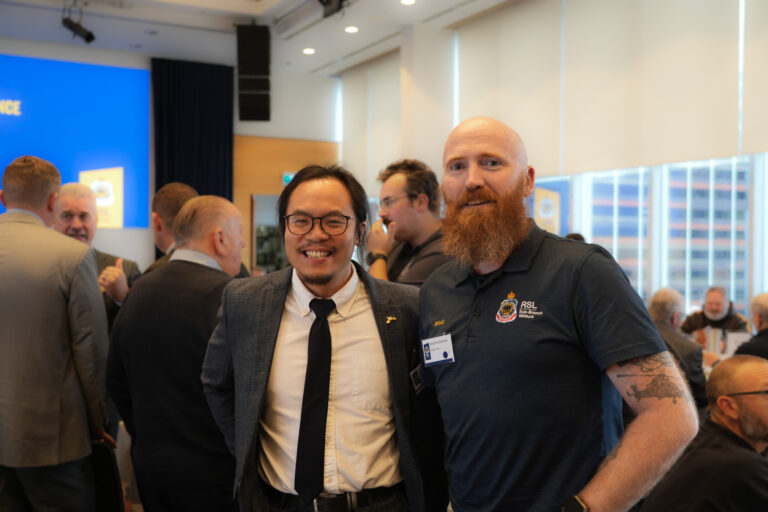
Long became President of the Vietnamese Community in Victoria, was twice President of the Vietnamese Veterans Association and ultimately joined the RSL and became President of the Footscray RSL Sub-Branch.
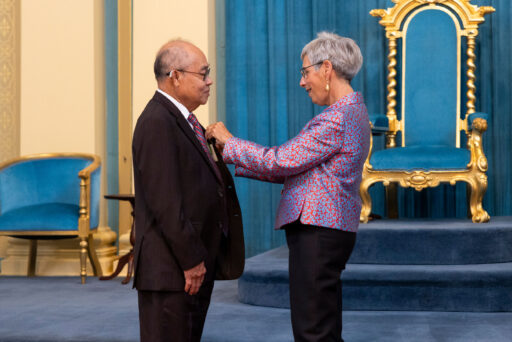
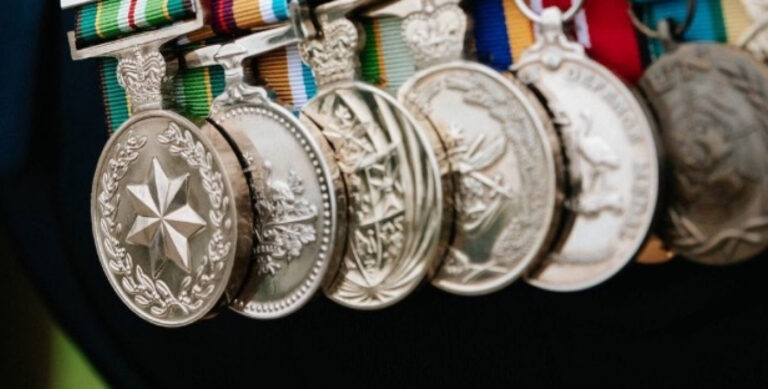
He has attracted dozens of Vietnamese Veterans into the Sub-Branch and kept it going as the numbers of Australian born veterans declined. For his work he was awarded the Medal of the Order of Australia. For all of the recognition he has received from the community it is perhaps his family that honour him the most.
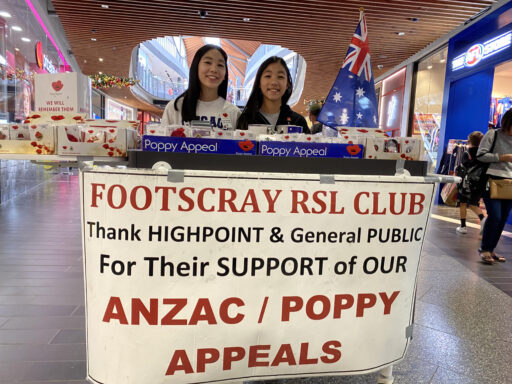
“Not only did my father serve in the war, but he helps a lot of veterans navigate very difficult periods of their life. On ANZAC Day and Remembrance Day my daughters sell poppies and ANZAC badges with my dad. My kids love standing with their grandfather. It is a proud moment for my kids to stand there with his grandkids as well.”