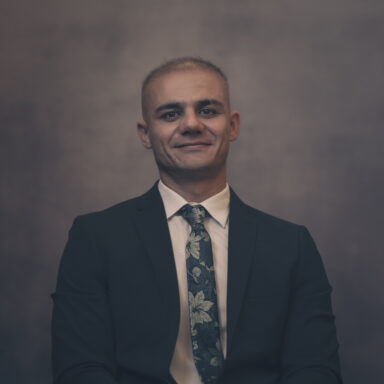
Ricky Morris – RSL Victoria ANZAC Day Army Ambassador
The 2026 RSL Victoria ANZAC Day march will be focused on peacekeeping operations in the Middle East, including Iraq and Afghanistan. Six Ambassadors have been appointed to represent each branch of the defence forces as well as one for families and locally employed workers, such as interpreters.
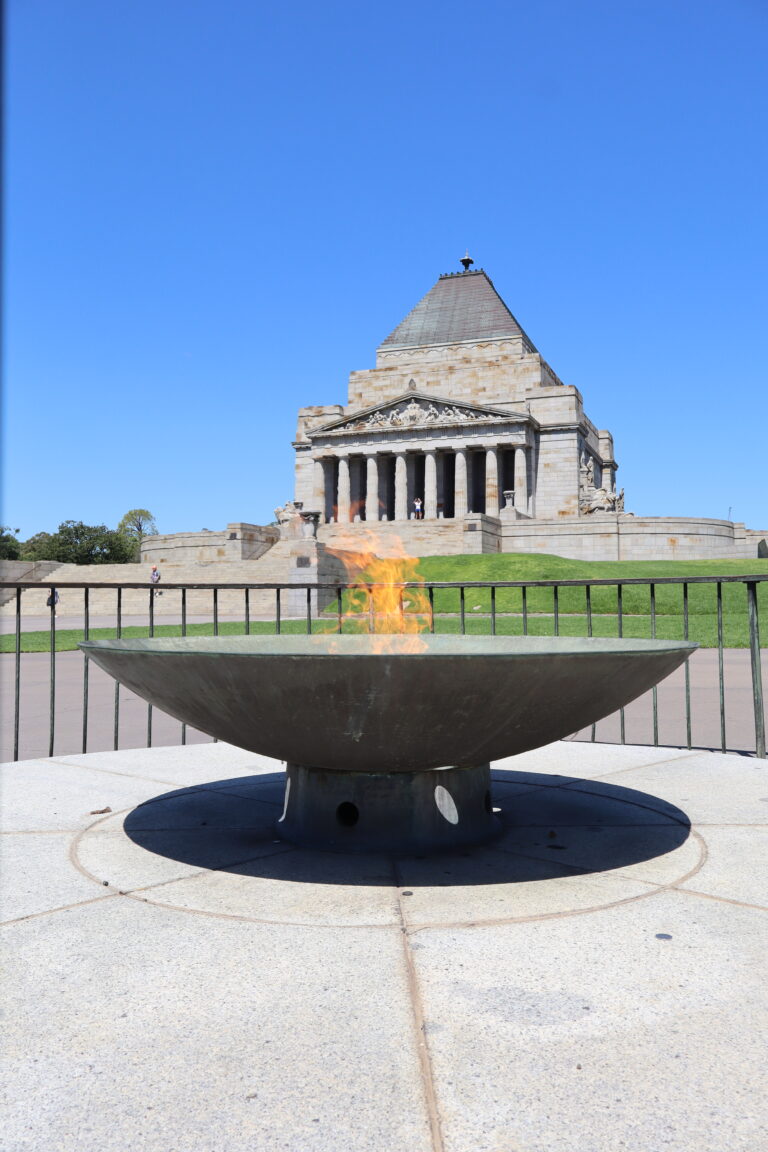
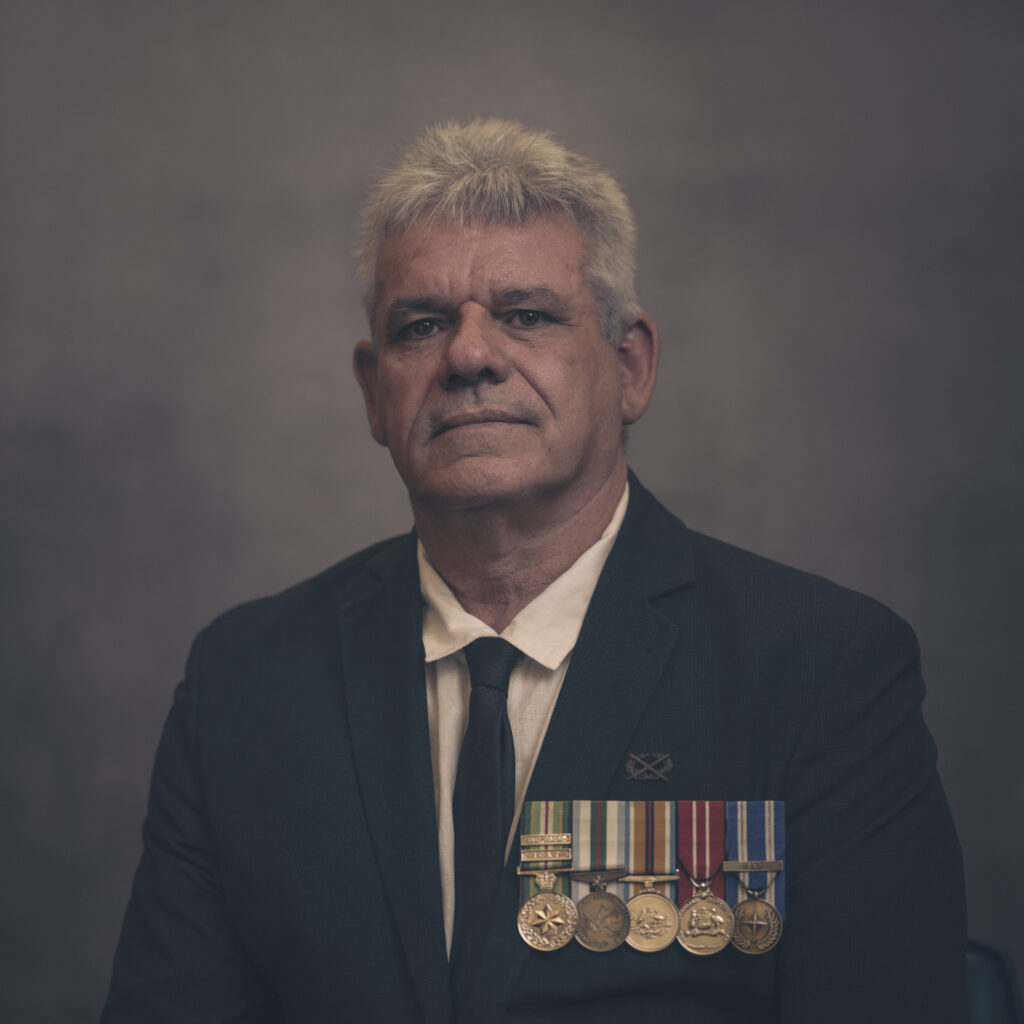
Ricky Morris has been appointed as the Army veteran Ambassador for the ANZAC Day march. He will be joining the other Ambassadors in leading the march down St. Kilda Road to the Shrine of Remembrance. Ricky will also make the official address during the mid-day service.
Warrant Officer Class Two Ricky Morris is a veteran of East Timor and Afghanistan, proud of his family’s fighting heritage.
Ricky was born in Melbourne but moved with his family to Heywood when he was still an infant. Heywood was part of the lands of the Gunditjmara people of western Victoria who were renowned as the Fighting Gunditjmara because of their resistance to white settlement and because of the five Lovett brothers who had all served in the First World War.
Growing up Ricky knew little of the Lovett brothers or his family’s history. He was one of fourteen children and the family moved to Traralgon while he was still very young. His father worked as a truck driver and Ricky was enrolled at Traralgon Primary school and later Traralgon Technical School.
All through his school days Ricky dreamed of joining the Army as soon as he could.
“Joining the Army was an itch for me all my life that needed to be scratched,” Ricky Morris said.
In 1986 he and his partner Tanya had their first child, Jozsef, with his other boys Christopher and Ashleigh following over the next few years.
“After getting married and having kids I got an apprenticeship as a plumber and gasfitter but still dreamed of the Army. I went to a recruiting centre and because I had a young family to support, they suggested I join the Reserve while I finish my apprenticeship.”
Ricky joined the 4/19th Light Horse Regiment which was based in Traralgon in 1990. Once he was in the Army his interest in his family’s military history developed.
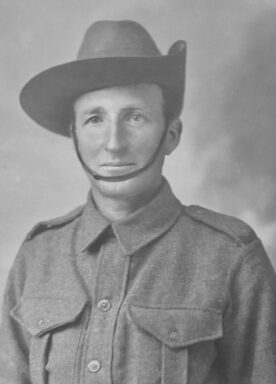
“I went to a family reunion, and my relatives were talking about my grandfather Frederick riding around on a horse with a blue on blue patch on his uniform, which is the patch of the 4th Light Horse, the same Regiment I had joined.”
Intrigued Ricky went to the headquarters of the 4th Light Horse and found his grandfather’s name on the honour roll. By pure chance he had followed in his grandfather’s footsteps to the same brigade.
Looking into the history he found that he was the 21st member of his family to enlist for service. He is directly descended from the Frederick Lovett from Lake Condah in southwest Victoria who had served in Palestine and was almost certainly part of the cavalry charge of the Light Horse in the Battle of Beersheba.
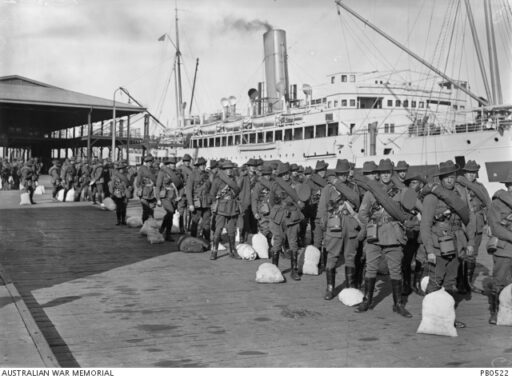
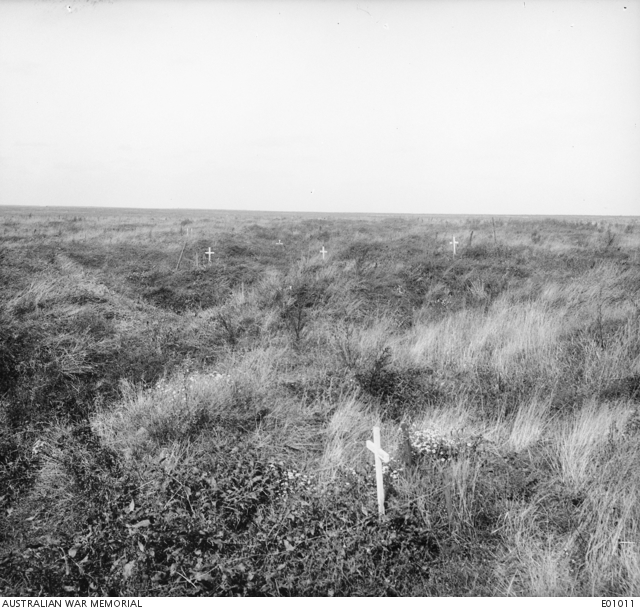
His great uncles, Fredericks’ brothers, had fought across Europe, including at the carnage of Pozieres. All had been fortunate enough to survive the war. On their return to Australia, however, they found themselves once more faced with discrimination as they were denied access to soldier settlements provided to many of their fellow soldiers.
To make matters worse the Aboriginal mission on which they had lived before the war was carved up by the government and given to white soldiers. While many Indigenous soldiers were refused entry to RSL Sub-Branches, a notable exception was Heywood RSL that called for the Lovett brothers to be given the land at Lake Condah as soldier settlements.
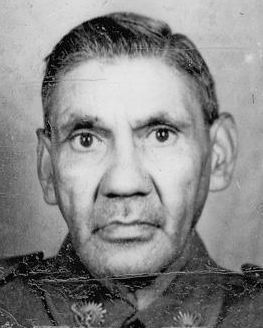
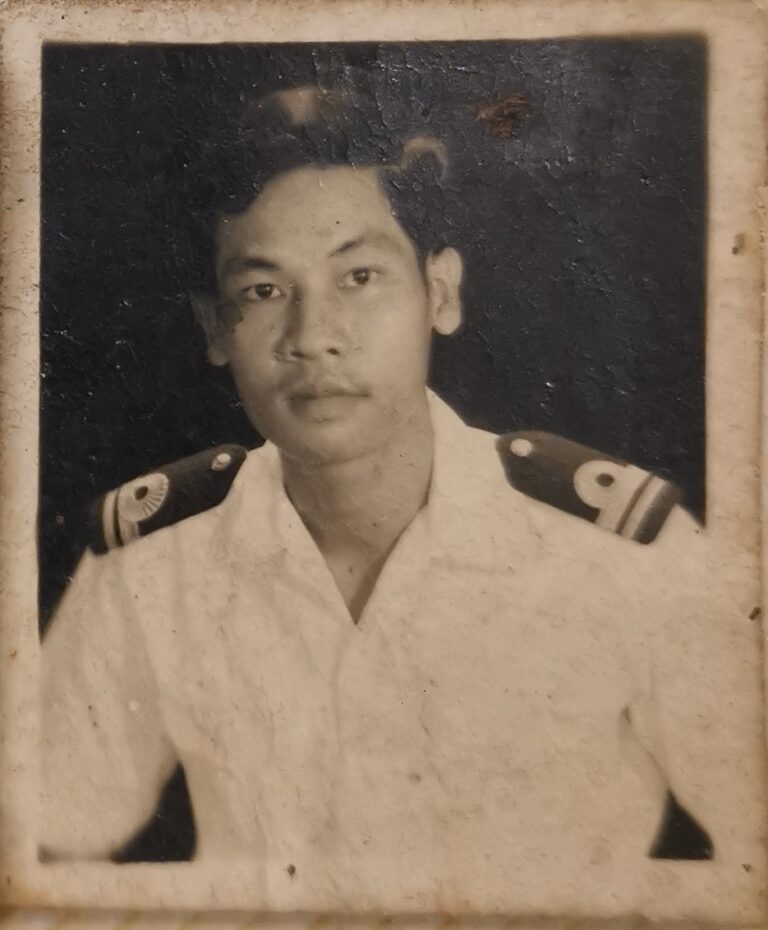
Despite the prejudice they faced, generations of Ricky Morris’s family continued to serve. Four of the five Lovett brothers served again in the Second World War and were joined by their children. Ricky’s father served as National Servicemen and other descendants of the Lovett brothers served in Korea and Vietnam.
When he qualified as a plumber and gasfitter Ricky made the decision to enlist full time in the Regular Army with the support of his wife and children. He was posted to the 21st Construction Squadron of the Royal Australian Engineers in Brisbane.
He achieved his life dream and continued a proud family tradition but found being a full-time soldier was still a culture shock.
“It was difficult,” Ricky said. “I was deployed away from home a lot. Going from being at home with the family to away most of the time was difficult for all of us.”
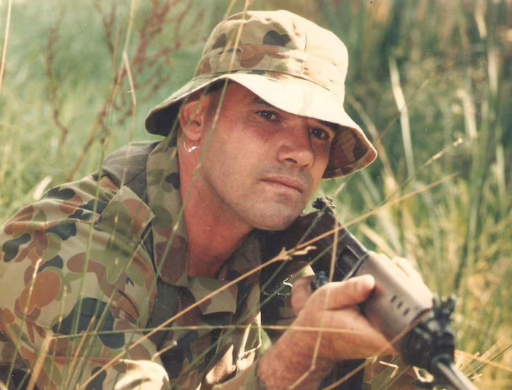
Ricky was transferred to Perth to work as a recruiter, working primarily with Indigenous recruits entering the Army. In 1999 a call went out for qualified plumbers and gasfitters interested in deploying to East Timor and Ricky put his hand up, training in August 1999 before landing in East Timor in late September, only two weeks after the INTERFET mission began.
“There was still a lot of unrest when I got there,” Ricky said. “The curfew was in place because of the violence that was happening. I’d gone from a peace time environment working as a recruiter to a place where every second building was burning.”
When Ricky came back to Australia, he returned to recruiting in Perth for a time before being sent to work as a trade instructor in Albury. With teenage children he found greater stability and connection to his kids in the role. In 2003 he switched back to the reserves with the 21st Construction unit in Oakleigh.
By 2008 the Australian Army was looking to rest some of the full-time soldiers rotating through Afghanistan. Ricky put up his hand when they asked for reservists to volunteer on reconstruction projects in Afghanistan.
“The deployment was for eight months,” Ricky said. “But in the first 48 hours we came under rocket attack three times. I wondered what I had gotten myself into and how I was going to make it for 8 months.”
For Ricky the greatest challenge was the indirect nature of the conflict in Afghanistan. There was no front line like his grandfather and great uncles had faced in Europe and the Middle East.
“Every time we stepped outside the wire anything could happen. Everyone was always on heightened alert for improvised bombs or rocket attacks. Even inside the base we could face a rocket attack at any time.”
The war in Afghanistan had moved into a reconstruction phase and as a member of the Royal Australian Engineers they worked on building health centres and bridges. The aim was to in give the Afghan people confidence in their country again. The landscape was harsh with only some regions around rivers able to support vegetation. It reminded Ricky of the landscape his grandfather had fought in around Egypt in the First World War and brought home to him that he was part of a continuing story of his family’s service.
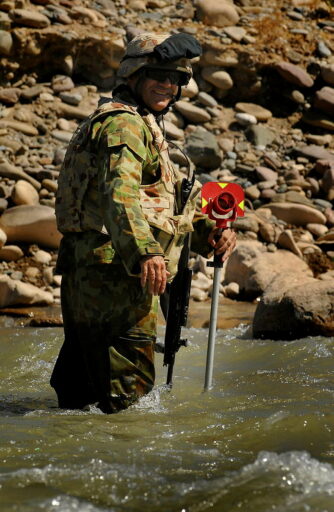
He was also reminded of how his grandfather was treated in the Army during his service. Even in the First World War the Army had built the soldiers into a tight unit, where soldiers trusted their mates to the left and right and his Aboriginality was not an issue.
“I was still exposed to some racist comments in the Army, but I was proud enough of who I am to speak up when it happened,” Ricky said. “Most of the time it was people coming from a place of ignorance, and once you worked with them, they would apologise. In the Army we could break down the barriers and educate people, we were allowed to be proud of who we are. But I always remembered what my grandfather had said, when he got back from the war. He was back to being black.”
Ricky returned to Australia after 8 months in Afghanistan and like many who had been in the war zone found it difficult to adjust back to life in Australia. He found it to be a surreal experience being back with his mates in a pub when only weeks earlier his life had been in danger at every moment.
“Life was difficult for my family when I was away, but when I got back Tanya said to me, our war is over now, yours is about to begin,” Ricky said.
He found there were many things that could trigger him and take him back to Afghanistan and the ever-present sense of danger. Even after 17 years barely a day goes past where his mind does not go back to Afghanistan.
He returned to the reserve forces and went into inactive service before being offered the role of Formation Elder for the 4th Brigade. In the role he provides cultural support and advice to the Brigade commander on interactions with the Aboriginal community. The highlight of every year is a football match between the Indigenous Fitzroy stars and the 4th Brigade.
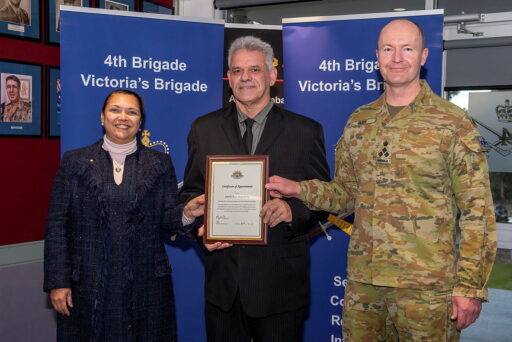
“I have a bet each way about who I support,” Ricky says. “I proudly wear the 4th Brigade uniform but wear my Fitzroy stars socks.”
The greatest personal honour for Ricky came in October 2017 when he was invited to attend the 100th anniversary re-enactment of the Battle of Beersheba in Israel. He was officially invited to lay a wreath on behalf of all Indigenous veterans at the associated service in Beersheba.
“It was a great honour to represent all Indigenous veterans at the re-enactment at the Battle of Beersheba. Seeing the environment, he was in and experiencing what he experienced made me reflect on my own service. I felt the pride he must have felt in having the opportunity to serve his country as one of the fighting Gunditjmara.”
It is a pride the Ricky will bring to his role as Army veteran Ambassador at the 2026 ANZAC Day march.
“It is a real honour to be the Ambassador for all Army veterans at the ANZAC Day march. I will be representing all my brothers and sisters who served in the Army in the Middle East and remembering those who went before.”