The RSL should not be afraid to acknowledge Indigenous service
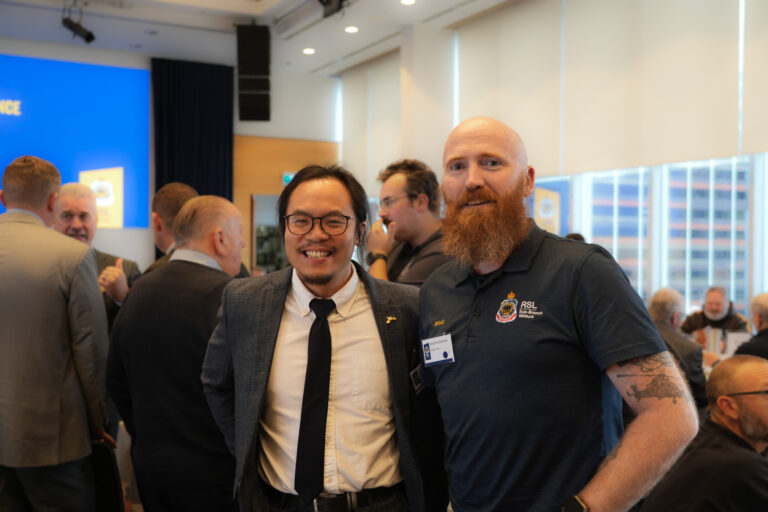
Opinion Piece by Eamon Hale of RSL Victoria State Executive
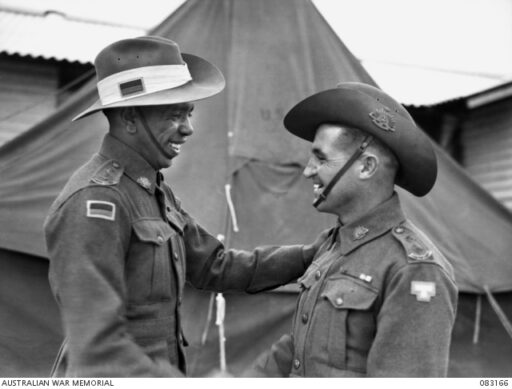
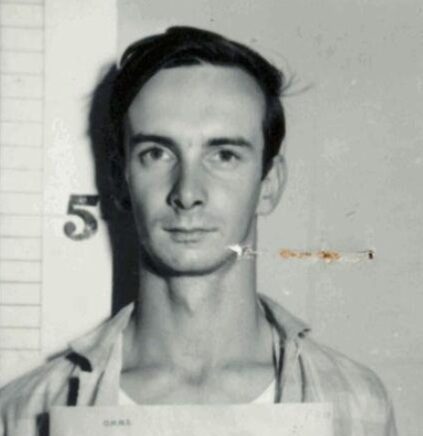
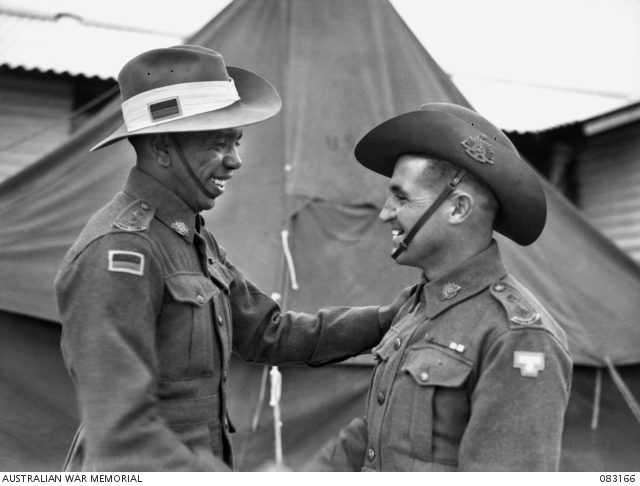
When Reg Saunders commanded C Company, 3rd Battalion Royal Australian Regiment during the Battle of Kapyong during the Korean War, his soldiers called him “Sir” and “Boss”. Saunders, the first Aboriginal commissioned in the Australian Army was also a veteran of the Second World War. Yet when he returned home from war, he came back to a country that denied him a soldier settlement, or the type of retraining offered to non-Aboriginal service members.
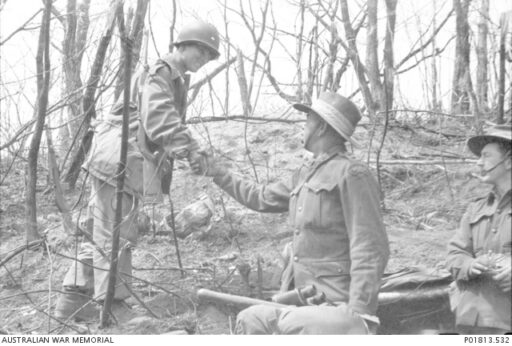
Since settlement and until 1967, Indigenous Australians served in our uniform while often being denied basic rights at home. Until 1967, Indigenous Australians served a nation in which their families were not fully entitled to vote.
They could fight under the Australian flag but struggled to be accepted beneath.
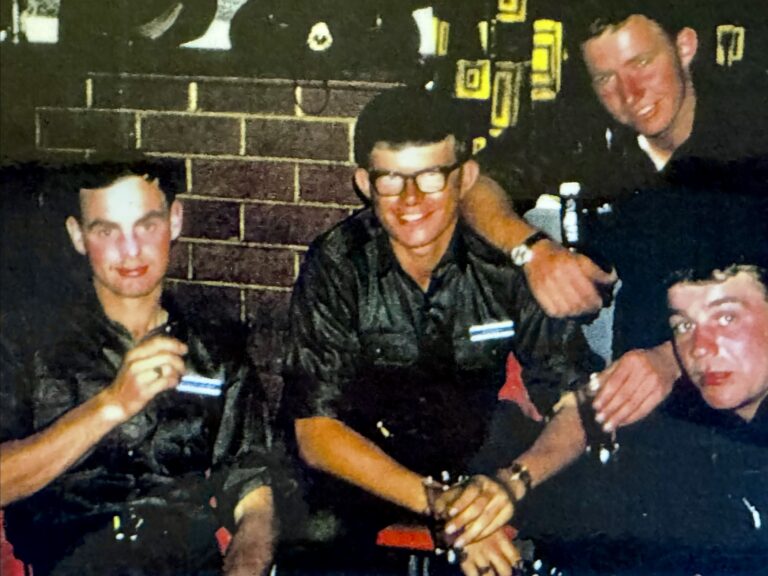
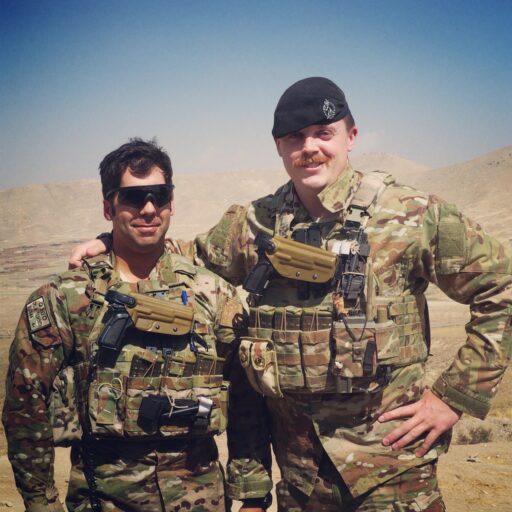
We live in more enlightened times today, but when I deployed to Iraq and Afghanistan in the 2010’s with my best mate from service, who is a proud Aboriginal man from Alice Springs, he still faced casual racism while in uniform from people who should have known better.
The RSL cannot undo the history. But we can acknowledge it honestly.
Few issues in veteran and community circles seem to generate as much heat now as Welcome to Country and Acknowledgement of Country.
For some, they have become symbols in a broader political and cultural fight. For others, they are simply a normal part of public life.
The danger for the RSL is being dragged into a reactive, populist response, rather than using this moment to educate, understand, and live up to our values of remembrance, service, sacrifice, and respect.
This is not about the RSL becoming politically progressive, “woke”, or partisan. It is simpler: the RSL should acknowledge Aboriginal and Torres Strait Islander service because it is historically accurate, morally right, and shows we welcome all veterans.
Part of the problem is that many people do not properly distinguish between a Welcome to Country and an Acknowledgement of Country.
A Welcome to Country is delivered by a Traditional Owner or authorised representative. It is not a welcome to Australia as a country, rather to the specific “country” you are standing on at the time. An Acknowledgement of Country can be delivered by anyone. They are not the same thing, and they should not be treated as though they are identical.
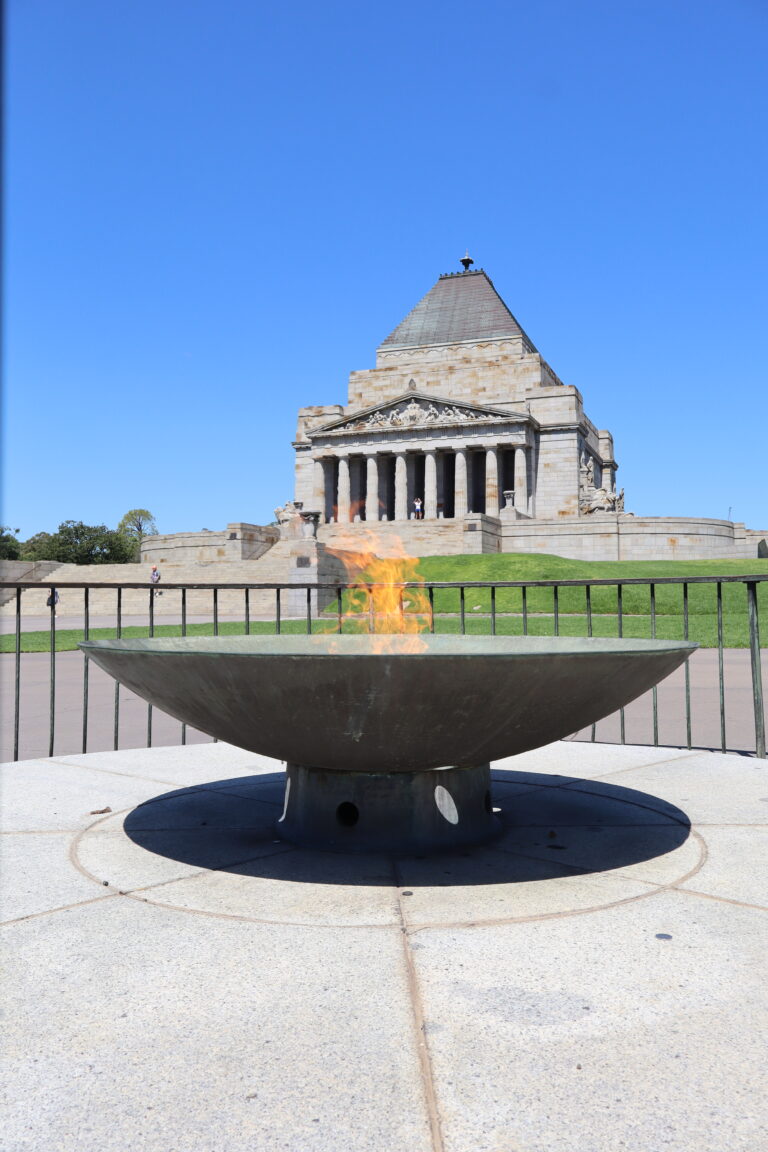
At major commemorative services and public events, we tell the story of Australian service. Aboriginal and Torres Strait Islander service is part of that story. Acknowledging it is not political correctness; it is remembrance; important, relevant, and appropriate.
If sub-branches choose not to do an acknowledgement, that is their choice. If it isn’t appropriate, we shouldn’t force it.
This should not be framed as a left-wing or right-wing issue. It is a veteran issue and a values issue.
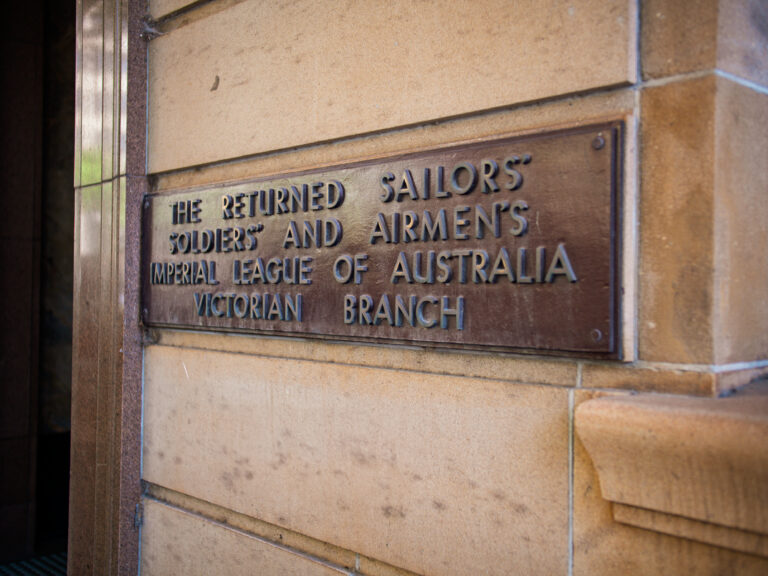
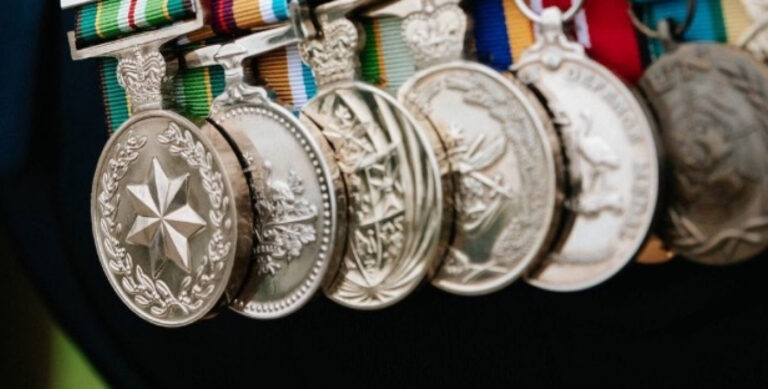
The RSL exists to honour service and sacrifice and to represent veterans. Aboriginal and Torres Strait Islander Australians have served, sacrificed, fought, died, led troops, carried wounds, and too often returned home to a country that did not honour them properly. Recognising that is not divisive. It is the right thing to do.
There is also a practical reality the RSL needs to face.
For many younger Australians and veterans, an Acknowledgement of Country is normal. It is part of public life. They do not see it as controversial, and they would see its absence as more noticeable than its inclusion.
If the RSL publicly bans or rejects Welcomes or Acknowledgements of Country outright, that itself becomes a political statement. It tells younger veterans, and especially Indigenous veterans, that the organisation is choosing a culture-war position rather than respectful and inclusive commemoration of service. That should worry us.
The RSL is already confronting the challenge of an ageing membership and the need to remain relevant to contemporary veterans. We can try to placate some existing members by mandating the exclusion of Welcomes and Acknowledgements of Country, but if the cost is alienating younger veterans and large parts of the wider community, then we are taking a short-term step that damages our long-term future.
Rejecting acknowledgement outright risks making the RSL look more interested in preserving the feelings of some members than recognising the service of Indigenous Australians, and it undermines the organisation’s future with younger veterans and their families.
The RSL cannot afford that. Not morally, not culturally, and not strategically.
If we are serious about honouring all who served, then Indigenous service must be part of the story we tell.
Not as politics.
Not as symbolism.
But as remembrance.
Lest We Forget.