Private Raymond Moore – Vietnam
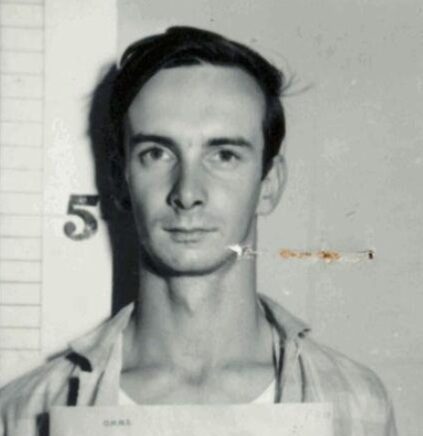
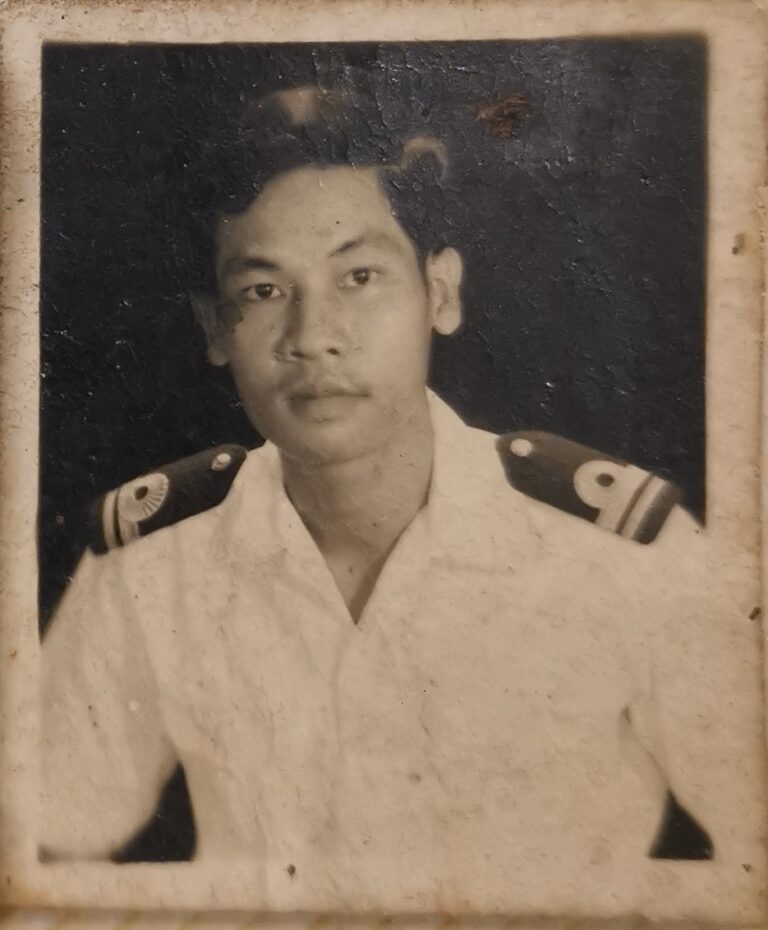
RSL Victoria remembers the sacrifice of Private Raymond Moore who lost his life in service of his country during the Vietnam War.
Raymond was born in Melbourne on 26 October 1945, the eldest of three sons born to George and Mary Moore. He spent the first years of his life in the small town of Harrow, near Horsham in the Western District of Victoria.
When he was fourteen years old his father decided to move the family to Kilsyth, then a fast-growing suburb in the outer eastern suburbs of Melbourne.
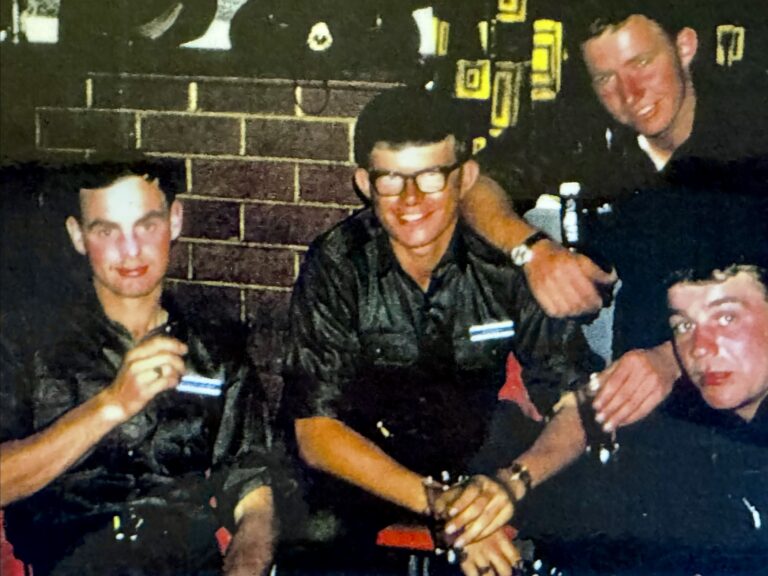
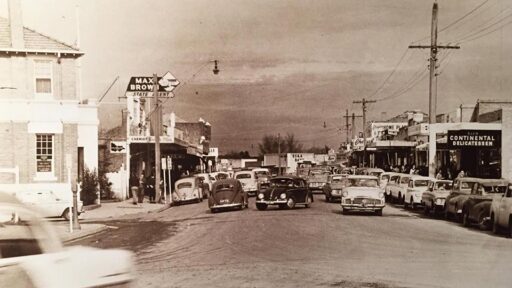
He left school to take up an apprenticeship as a butcher at Oliver’s Butcher shop in Main Street Croydon where he worked with another apprentice, Michael Hannaford, in a shop managed by Michael’s father Frank.
Ray played for Kilsyth in the under-16s football team and was a keen cyclist with Blackburn Amateur Cycling Club.
Two shops away from the butcher was a hairdresser where Lynne Moore worked. By co-incidence her surname was also Moore and the two quickly became friends, joking with other friends that they were cousins.
They came to regret this when their friendship developed into romance and their friends called them “kissing cousins” despite their efforts to convince everyone they were not actually related to each other.
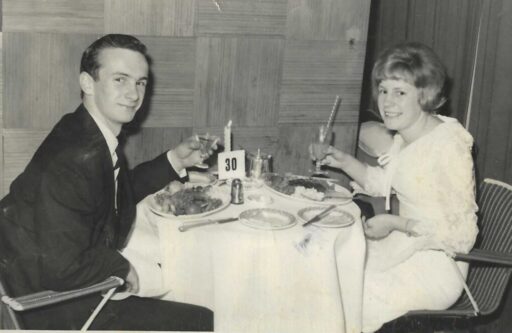
After five years as a couple, they decided to marry when they were twenty. Their joke about being related continued to haunt them as the church demanded they produce both of their father’s birth certificates to prove they were not related.
The couple welcomed the birth of their first child, Rhonda, but Ray was not happy working as a butcher. He had only gone into the apprenticeship to please his parents and had always wanted to join the Army. He believed he could build a worthwhile career in the defence forces but also felt the war in Vietnam was worth fighting.
His father had refused to sign papers allowing him to serve but now that he was married, he only needed Lynne to sign the papers which allowed him to enlist and serve overseas as a married man.
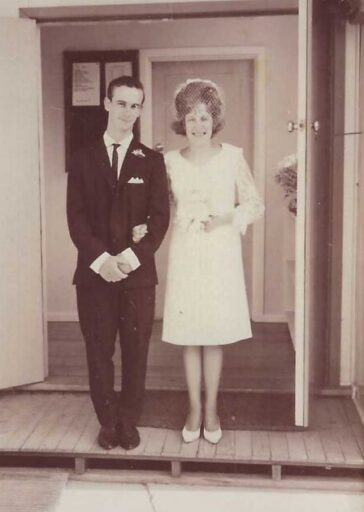
When he completed basic training, the family moved to Holsworthy Army Base as the family grew to include Craig and finally the youngest child Garry.
“He absolutely loved being in the Army,” Lynne said. “It was a chance for us to travel away from our families and be a family of our own.”
At Holsworthy the young family moved into an Army house and settled into a community of soldiers which became a vital support base for Lynne when Ray was deployed to Vietnam in October 1968, initially with 1RAR.
“Everyone was so friendly,” Lynne said. “The whole complex rallied around the families whose husbands were sent to Vietnam.”
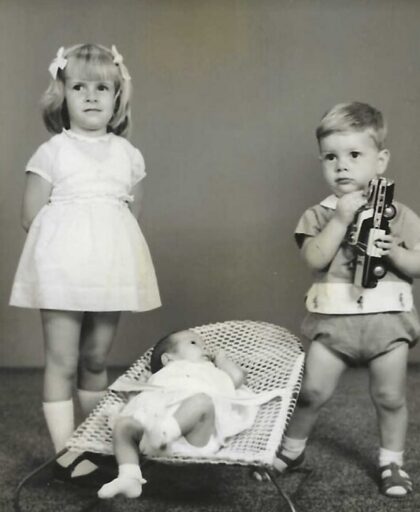
Ray arrived in Vietnam in October 1968, but Lynne did what she could to include Ray and the children in each other’s lives.
“We wrote every week and I bought a Polaroid camera so I could send photos of the children. We even had a portrait done of me and the kids which we sent over in Easter of 1969.”
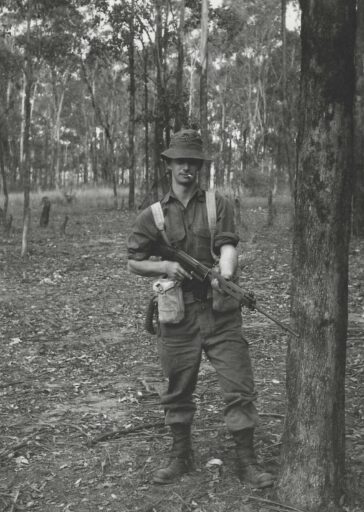
In May 1969 Ray had the chance to return home on Rest and Recreation and Rhonda and Craig got the rare chance to pick up their father from the airport and spend a couple of days with him.
“While he was home, he talked about Michael Hannaford,” Lynne said. “He had been killed in action in Vietnam the year before, unlike Ray he had been conscripted.”
The day Ray returned to Vietnam was the last time Lynne and the children saw Ray alive.
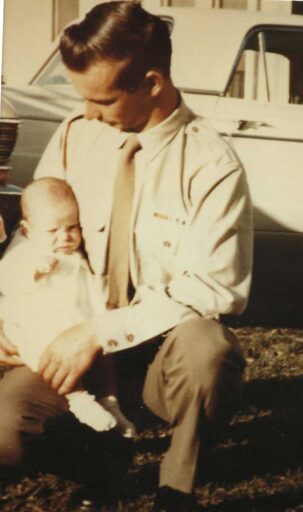
He transferred to 9RAR and only weeks later was on patrol with 9RAR when he was shot dead by the Viet Cong.
The news received little coverage in Australia as the world’s attention was elsewhere, Neil Armstrong had touched down on the moon only three days prior.
Lynne and the children were visiting family in Kilsyth and watching coverage of the Apollo moon mission as the astronauts prepared to land back on Earth.
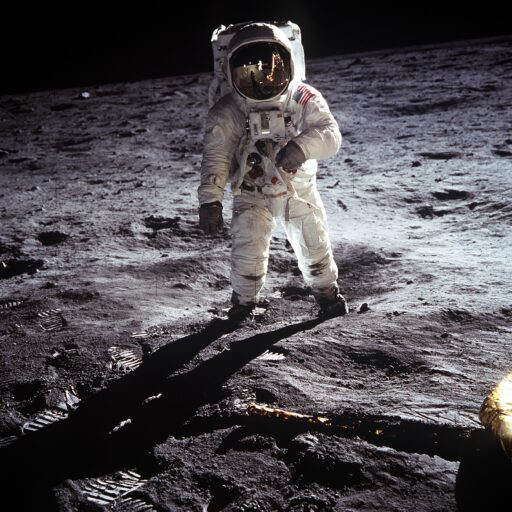
Lynne’s younger brother was at school and saw a soldier and a padre pull up and ask another student where the Moore family lived. After they were given directions, they drove off and arrived at Lynne’s mother house a few minutes later.
“To this day I hate hearing anything about man walking on the moon,” Lynne said, thinking back about the captain and padre appearing at the front door.
The next ten days were the beginning of a nightmare for Lynne and the children. Ray’s body was returned to Australia, and a service was held at St James Church in Kilsyth before his body was taken by a horse drawn carriage past the children at Kilsyth Primary school who lined Mt Dandenong road as a mark of respect. His body was then taken to Lilydale cemetery for burial.
His grave is side by side with Michael Hannaford, they had worked together as apprentice butchers as teenagers and were now buried side by side.
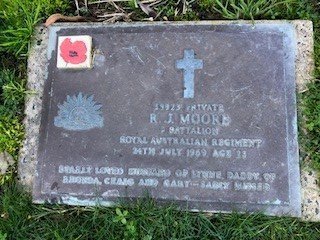
After the funeral Lynne returned to the Army base where she was told she had to vacate the Army house she had shared with Ray and the children. Only ten days after Ray’s death she left the house she and her family had shared with Ray.
“The Army had always told me that if anything happened to Ray in Vietnam, I would not have to leave straight away, I would have time to organise myself. But as soon as he died, they abandoned me and the children.”
After living with her mother for six months Lynne and the kids moved into a rented house in Croydon. She dedicated herself to raising their three children, all under the age of four. Lynne survived on a modest war widows’ pension until the children started school and she found a job as a sales order clerk, the workplace allowing her to finish at 3 so she could collect the kids from school.
“I met my second husband, Alan, there,” Lynne said.
Alan accepted the role as father to the kids while never trying to replace him.
“He became the man who raised the kids,” Lynne said, “He was a very good stepfather to them. He never even used to correct people when they called him Mr Moore, assuming he had the same name as the kids.”
“Growing up we didn’t talk about what happened to my father much,” Craig Moore said. “It wasn’t a secret and I knew what had happened, but it wasn’t until I was in my teens that I really knew my father’s story.”
When he was 19, he was finding out more and more about his father’s life and decided to follow him into the Army. Unfortunately, Craig he fell off a high wall during basic training and badly injured his knee, forcing him to be medically discharged from the Army.
But when he was 21 and getting married himself the absence of his father at his wedding became a significant loss for Craig.
“Not having him there was a real absence,” Craig said. “That is when I really started to feel it.”
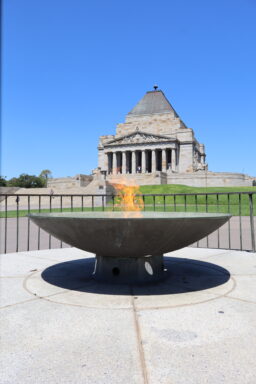
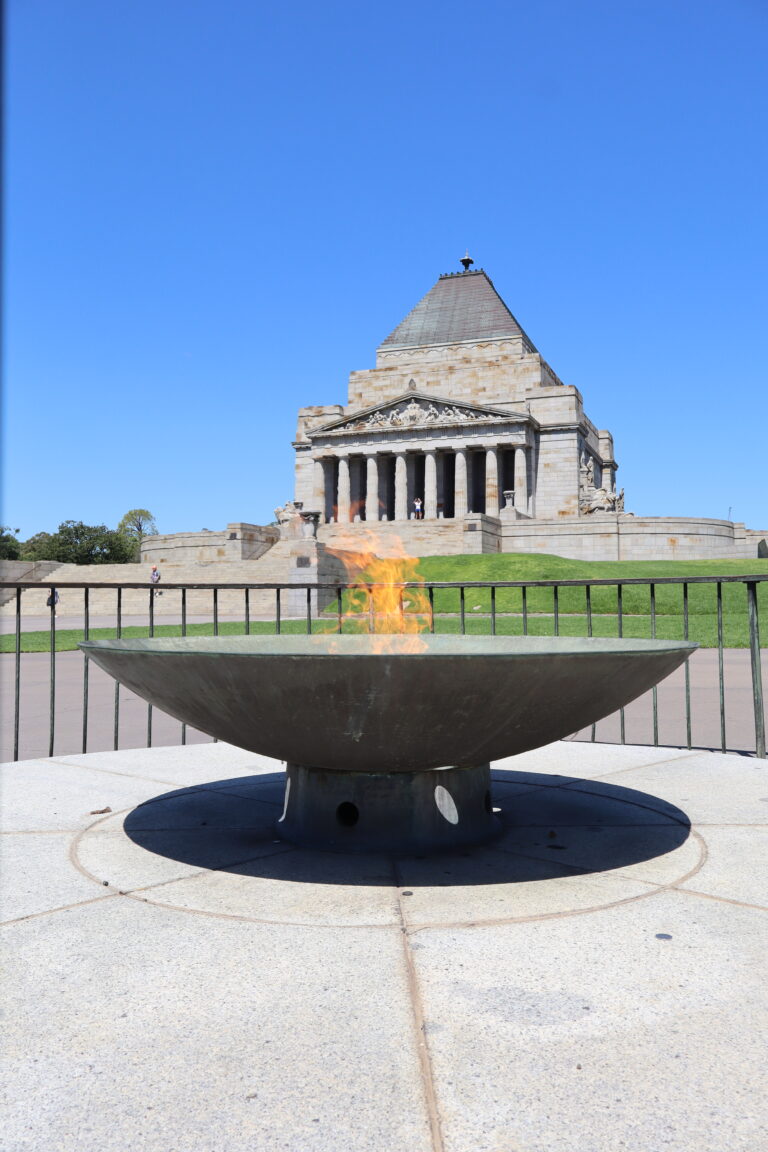
Craig discovered all that he could about his father, even getting a tattoo of Ray in his memory. He attended a reunion of his father’s unit at the Shrine of Remembrance and met some of his father’s mates who had served with him in Vietnam.
“Some of them came up to me and said they had flashbacks as soon as they saw me because I looked so much like him.”
As Craig’s own sons have grown, he has shared Ray’s story with them, even naming his first son Ray.
A couple of years ago his younger son, Brendan, travelled to Vietnam in search of the place where his grandfather died.
Lynne says that while Brendan was standing at a memorial an elderly Vietnamese man approached him and asked if he knew anyone who had served. Brendan told the man that his grandfather had died here and the man said, “Thank you, he saved our lives.”
RSL Victoria pays tribute to Private Raymond Moore, his family and all those who have sacrificed in the service of their country.
Lest We Forget.