Message from the State President – Dawn Service and reaction
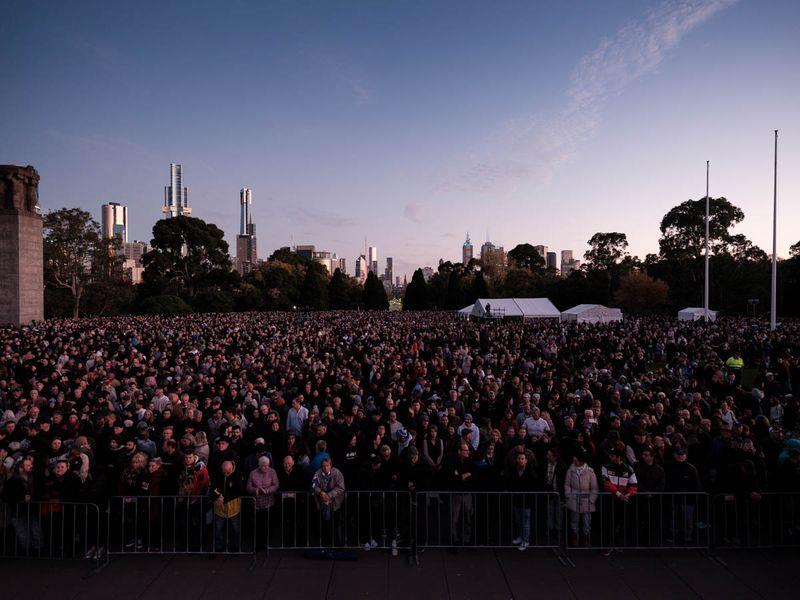
The conduct of a small number of individuals at some Dawn Services deserves to be called out plainly. To interrupt a commemorative service under the cover of darkness, draw attention, and then leave, as some were observed to do, shows a lack of respect and a lack of backbone. It is weak conduct on a day that should bring out something better in us. It is also deeply discourteous to those who gathered to remember service and sacrifice.
Indigenous Australians have served in Australia’s military forces for more than a century, often in circumstances where their service was not properly recognised at the time. Many served while they and their communities were denied the respect, rights and recognition afforded to others. Today, Indigenous Australians continue to serve in the Australian Defence Force in proportions greater than their share of the national population. That contribution warrants acknowledgement.
Our New Zealand partners in the ANZAC tradition understand this well. Māori culture is woven into New Zealand military and commemorative life through haka, waiata, te reo Māori, pōwhiri and other elements of tikanga. Haka are traditional Māori ceremonial performances involving movement, chanting and rhythm, often expressing strength, respect, grief and unity. Waiata are Māori songs, used in many settings to express remembrance, welcome, mourning or shared identity. Pōwhiri is a formal Māori welcome, bringing hosts and visitors together through speech, song and acknowledgement of place and ancestry. Tikanga refers to Māori customs, values and protocols that guide respectful conduct and ceremony.
These elements have not diminished New Zealand’s military traditions. They have given them a distinctive national character. They show that Indigenous culture can be acknowledged in military and commemorative settings without weakening the purpose of remembrance. Indeed, it can deepen it.
Military service teaches this lesson clearly. People from different backgrounds are brought together, trained together and required to rely on one another. Through the rigours of basic training, every recruit quickly learns that unity is central to military effectiveness – a useful lesson for the wider community.
What was notable this year in Victoria was not only the disruption, but the response. Many in the crowd chose to affirm the occasion rather than allow it to be overtaken. That instinct matters. The unity expressed at the ANZAC Day match at the MCG made the point even more clearly. In front of more than 90,000 people, and a far larger television audience, the Welcome to Country was met with strong and sustained support. Whatever personal reservations some may have held, many chose decency and respect over division.
Those who tried to disrupt these moments may have achieved the opposite of what they intended. They reminded many of us why respect still matters. If nothing else, it strengthens our resolve to place recognition and respect at the forefront.
You are entitled to your view, but everyone is entitled to due respect.
Dr Mark Schröffel
State President, RSL Victoria